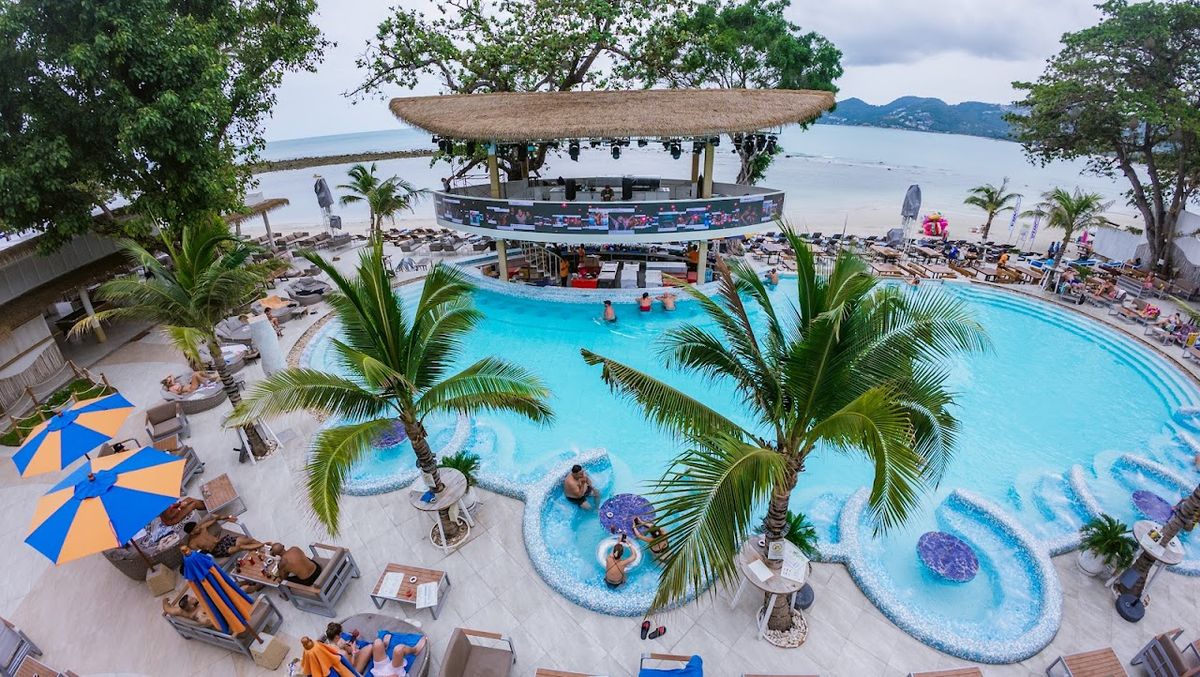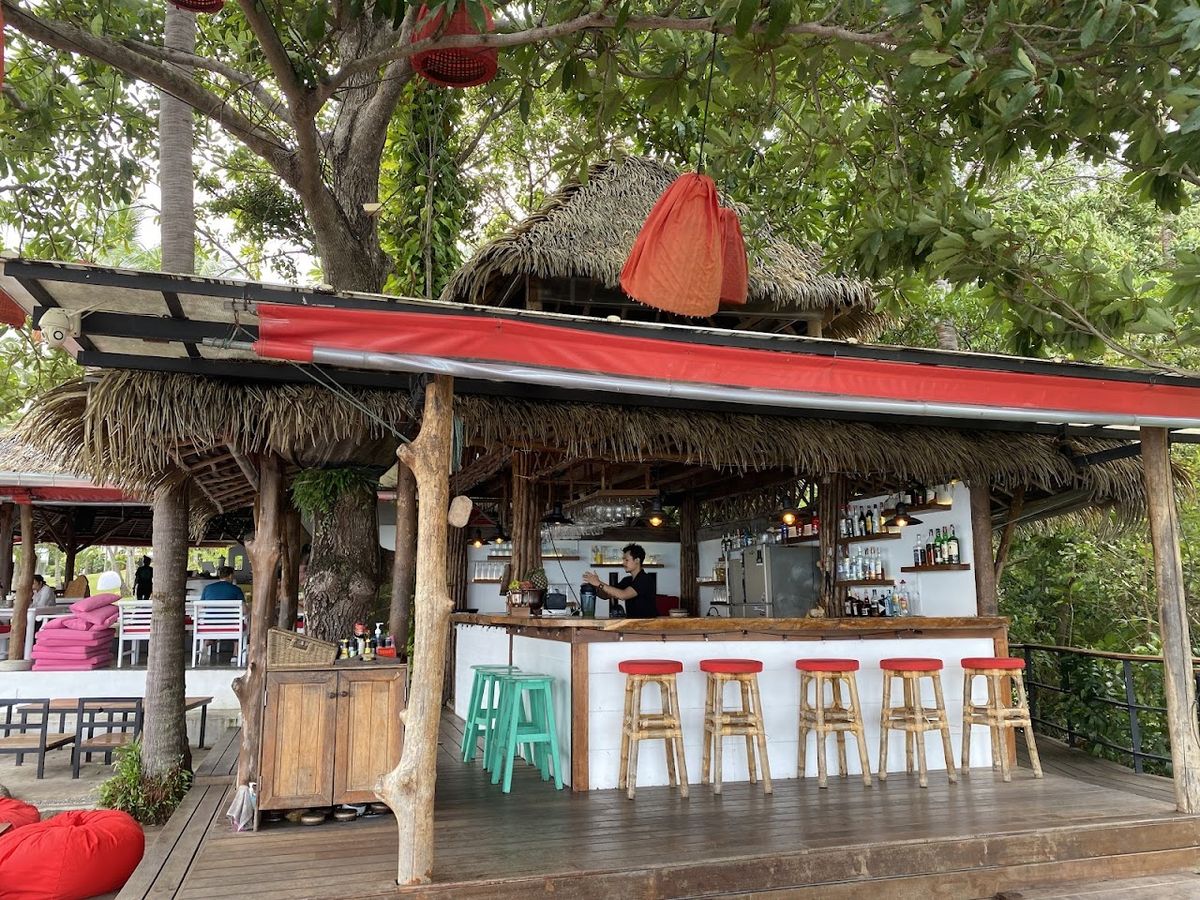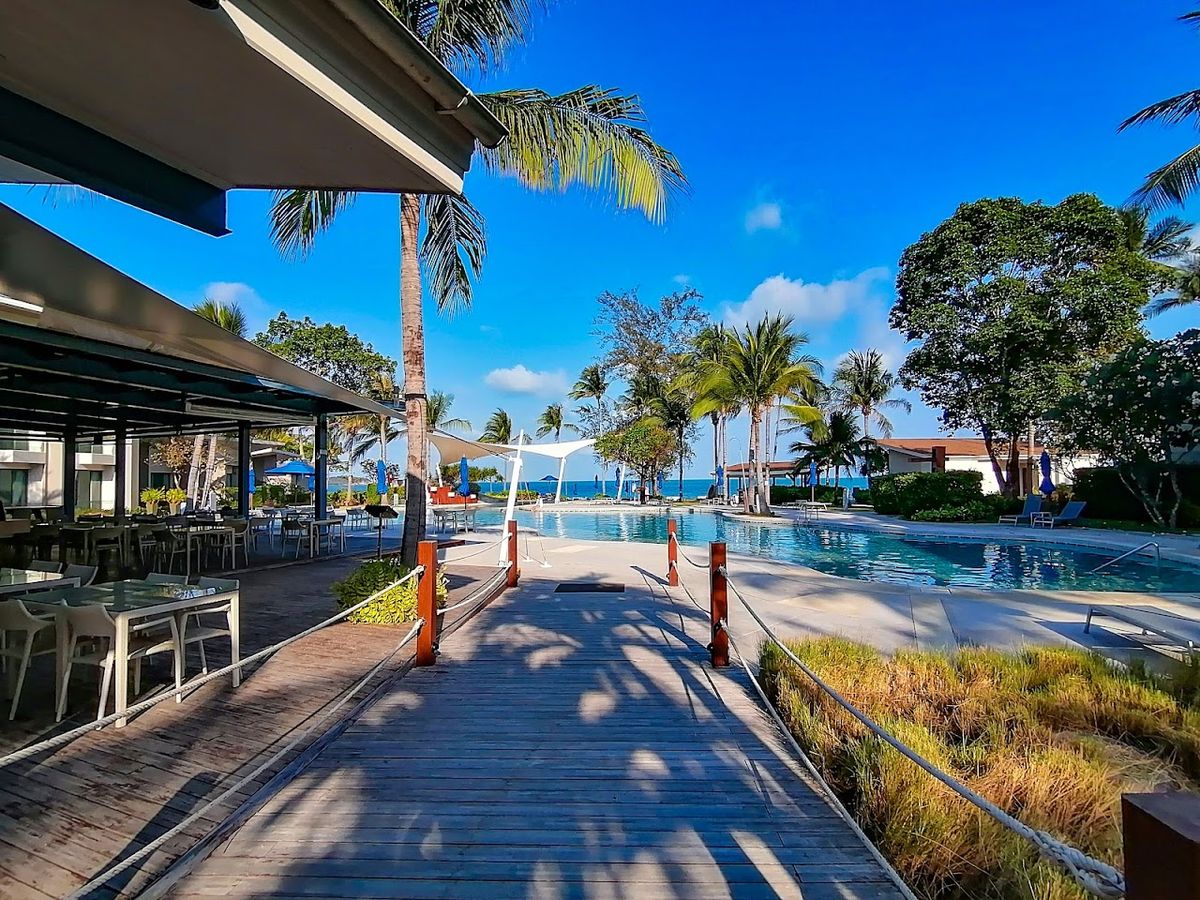

Koh Samui costs more than Koh Phangan or the mainland. There’s no disputing that. Bangkok Airways had a near-monopoly on direct flights for years (no-frills alternatives are limited), resort prices are high, and taxis operate without meters and quote whatever they think you’ll pay.
Despite all of that, genuine budget travel is possible. The food is cheap if you eat where locals eat. The beaches are free. The best things on the island — sunsets on the west coast, waterfalls in the interior, Big Buddha, snorkelling off the north coast — cost little or nothing. This guide gives you concrete numbers and the decisions that actually matter.
All prices in Thai baht (฿); US$1 ≈ ฿35.
The short version
- Shoestring daily budget: ฿800–1,200 (~$23–34) — dorm bed, street food, songthaew, free activities
- Mid daily budget: ฿1,500–2,500 (~$43–71) — budget guesthouse, mix of local and mid-range eating, some scooter hire
- Cheapest arrival: Surat Thani town bus + Donsak–Nathon ferry, total around ฿600–700 (~$17–20) from Surat Thani
- Scooter hire: ฿200–300/day — the single biggest way to reduce transport cost
- Free things: all public beaches, Big Buddha, most viewpoints, night markets (entry free, pay only for what you eat)
- Main budget leak: airport taxis, beachfront restaurants, tourist-zone street food marked up for foreign tourists
Daily budget tiers
Shoestring: ฿800–1,200/day (~$23–34)
Achievable if you:
- Sleep in a hostel dorm (฿400–700/night)
- Eat at local markets and street stalls for every meal (฿50–100 per meal)
- Use songthaews for transport (฿30–50 per trip)
- Spend your days on free beaches, at waterfalls, and visiting Big Buddha
This is tight but realistic. The main discipline is eating local — a single tourist-strip meal can cost as much as a day’s street food.
Mid: ฿1,500–2,500/day (~$43–71)
Achievable if you:
- Stay in a budget guesthouse or fan room (฿800–1,200/night)
- Eat a mix of local restaurants and occasional mid-range (฿80–250 at local spots, ฿150–400 mid-range)
- Hire a scooter on most days (฿200–300/day)
- Do a paid activity or two per week
This is the comfortable budget range for most independent travellers.
Accommodation
Hostels and dorms: available in Chaweng, Lamai, and Bophut. Dormitory beds run ฿400–700 (~$11–20) per night. Quality varies substantially — read recent reviews, as cheaper dorms can be poorly ventilated in the heat.
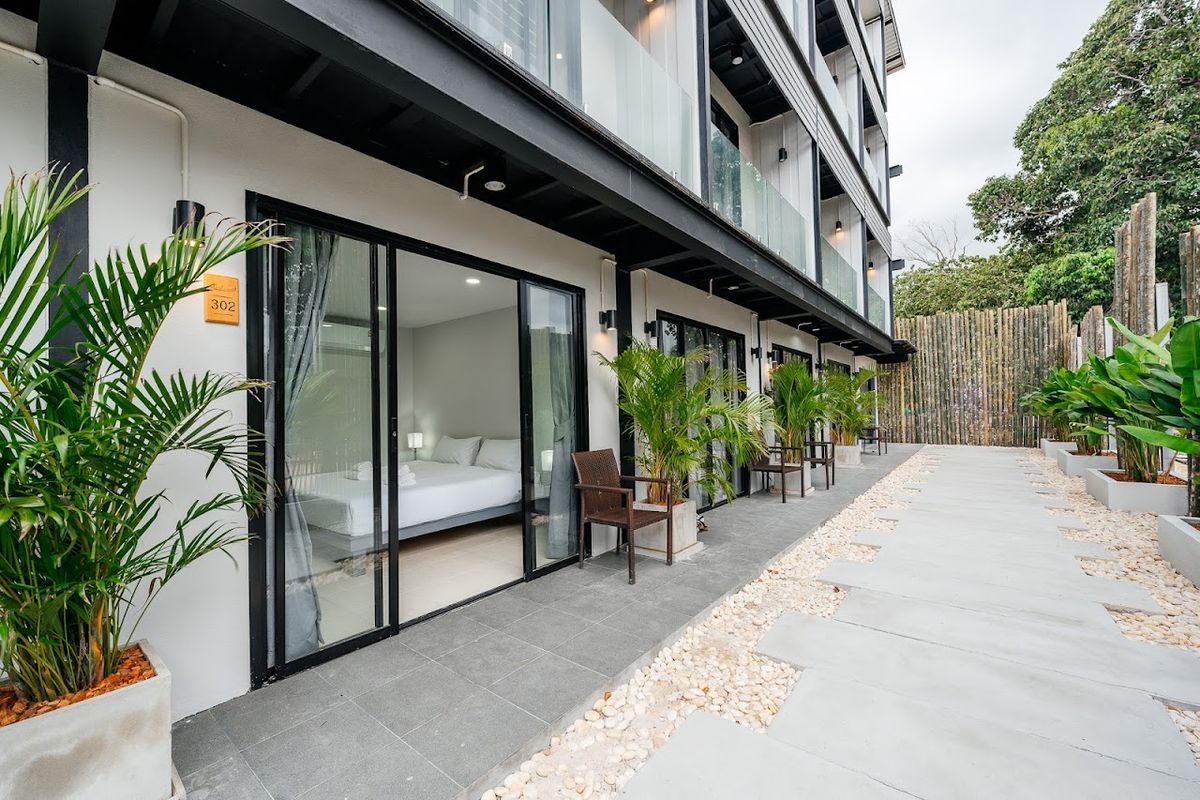
Budget guesthouses: fan rooms without air conditioning start around ฿500–700. Air-conditioned rooms in a guesthouse start closer to ฿800–1,200. Prices are significantly lower outside Chaweng — Maenam, Nathon, and the west coast have cheaper guesthouse stock.
Beach bungalows: the classic backpacker option, harder to find in good condition on Samui than on Koh Phangan or Koh Tao, but still available. Expect ฿600–1,000 for a basic bungalow with fan.
Browse accommodation by area and budget at /hotels/. For more detail on choosing a base, see the where to stay guide.
Key tip: prices rise sharply in December–January and over Thai holidays. A budget room that costs ฿600 in June can be ฿2,000 in high season.
Food costs
Street food and local markets are where the real savings are.
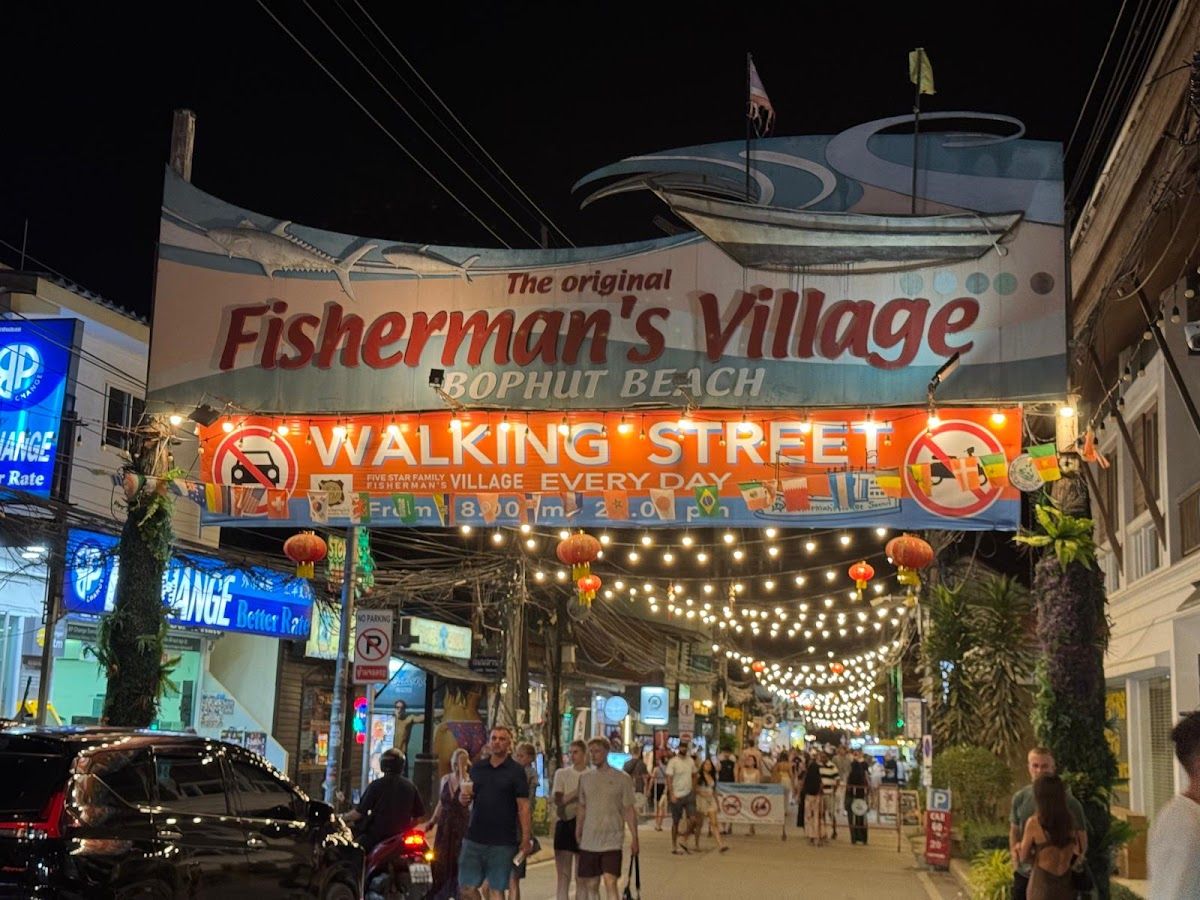
Night markets (Bophut Friday, Chaweng walking street, Lamai, Nathon Monday): individual dishes and snacks ฿40–80, a full meal for ฿100–150. Entry is free — you pay only for what you eat.
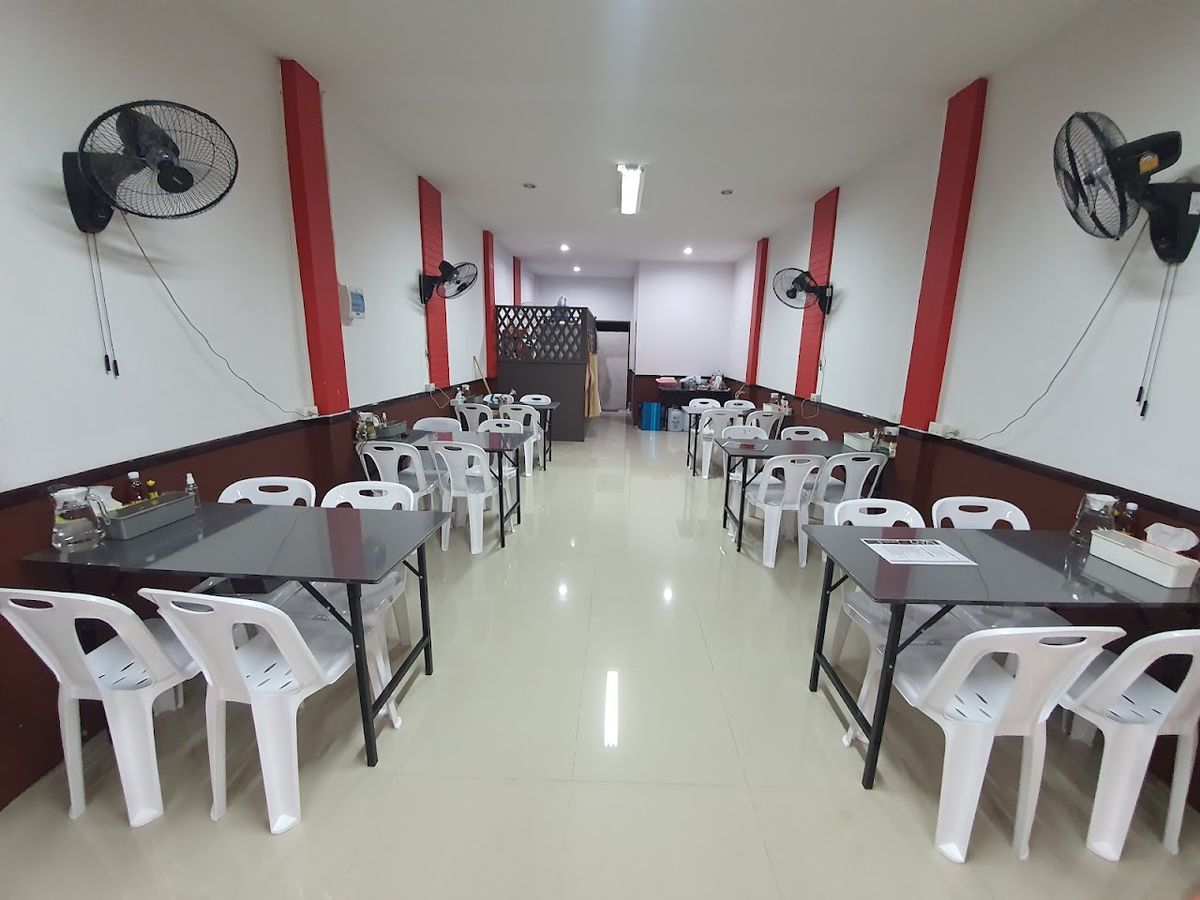
Local open-front restaurants: the ones with plastic chairs, Thai menus on the wall (often with photos), and no English-language marketing are invariably cheaper than tourist restaurants. A full meal with rice, a curry, and a drink runs ฿80–150 per person.
7-Eleven: there are multiple branches in every town. A large bottle of water (1.5L) is ฿10–15. Fresh sandwiches and ready meals run ฿35–60. Useful for breakfast or late-night snacks without paying restaurant prices.
What to avoid for budget eating: beachfront restaurants in Chaweng and Lamai markup significantly for location. The same grilled fish that costs ฿180 one street back from the beach costs ฿400 at the front row.
For a full breakdown of where and what to eat, the food guide covers the market circuit, southern Thai dishes, and meal costs in detail.
Transport
Getting transport right is one of the biggest budget levers on Samui.
Songthaews (shared pickup trucks)
Songthaews are the cheapest way to move around the island. They follow loose routes along the main ring road, stopping where passengers signal. Fare is ฿30–50 per trip for most standard routes. They’re not quick and don’t run to a strict timetable, but they’re reliable enough for beach-to-beach travel within your own area.
Flag them down on the main road. Agree on the fare before getting in.
Scooter hire
฿200–300/day (~$6–9), often cheaper by the week. A scooter gives you access to the island’s interior, the west coast, and viewpoints that songthaews don’t serve. If you’re comfortable riding one (and have a valid licence — international or Thai), this is the most practical and cost-effective way to see the island.
Hire from a reputable shop rather than your guesthouse if you can — better maintained bikes and clearer terms. Check the bike before accepting it and photograph any existing damage.
Scooter risk: Samui’s roads are genuinely dangerous. Accident rates are high, particularly for tourists unfamiliar with Thai driving conventions. Wear a helmet, don’t ride at night if avoidable, and never ride with children as passengers.
Taxis
Samui’s taxis operate without meters and charge tourist prices. A ride from the airport to Chaweng that should cost ฿150 by songthaew will be quoted at ฿400–600 by a waiting cab. Prices are not fixed — negotiate, or walk to the road and flag a songthaew.
Metered taxis are not common on the island. If a vehicle doesn’t have a meter, agree on a price before you get in. If the quoted price is more than double what you’d expect, you’re being overcharged.
Grab (the Southeast Asian ride-hailing app) operates in a limited capacity on Koh Samui — availability depends on time and location, but it’s worth checking before accepting a street quote.
Cheapest ways to arrive
Surat Thani bus + Donsak ferry
The cheapest overland route from Bangkok or the mainland: bus or train to Surat Thani, then transfer to Donsak pier for the Seatran or Raja ferry to Nathon pier on Samui. Total cost from Surat Thani town is around ฿600–700 (~$17–20) including the ferry crossing. The Donsak–Nathon crossing takes about 1.5 hours and runs 6+ times daily.
From Bangkok, overnight trains and buses to Surat Thani cost ฿300–700 depending on class. Add the ฿600–700 Surat Thani–Samui leg and total Bangkok–Samui land-and-sea transport runs ฿900–1,400 (~$26–40), significantly cheaper than flying.
The trade-off is time — expect 8–12 hours total from Bangkok.
Flying
Bangkok Airways has long held a dominant position on direct Bangkok–Koh Samui flights, and prices reflect that. Budget airlines (AirAsia, Lion Air) serve Surat Thani airport instead, from where you still need the bus + ferry leg to Samui. Combining a low-cost flight to Surat Thani with the ferry can sometimes match or beat the Bangkok Airways fare. Check both options before booking.
For a full breakdown of arrival options, see getting to Koh Samui.
Free and cheap activities
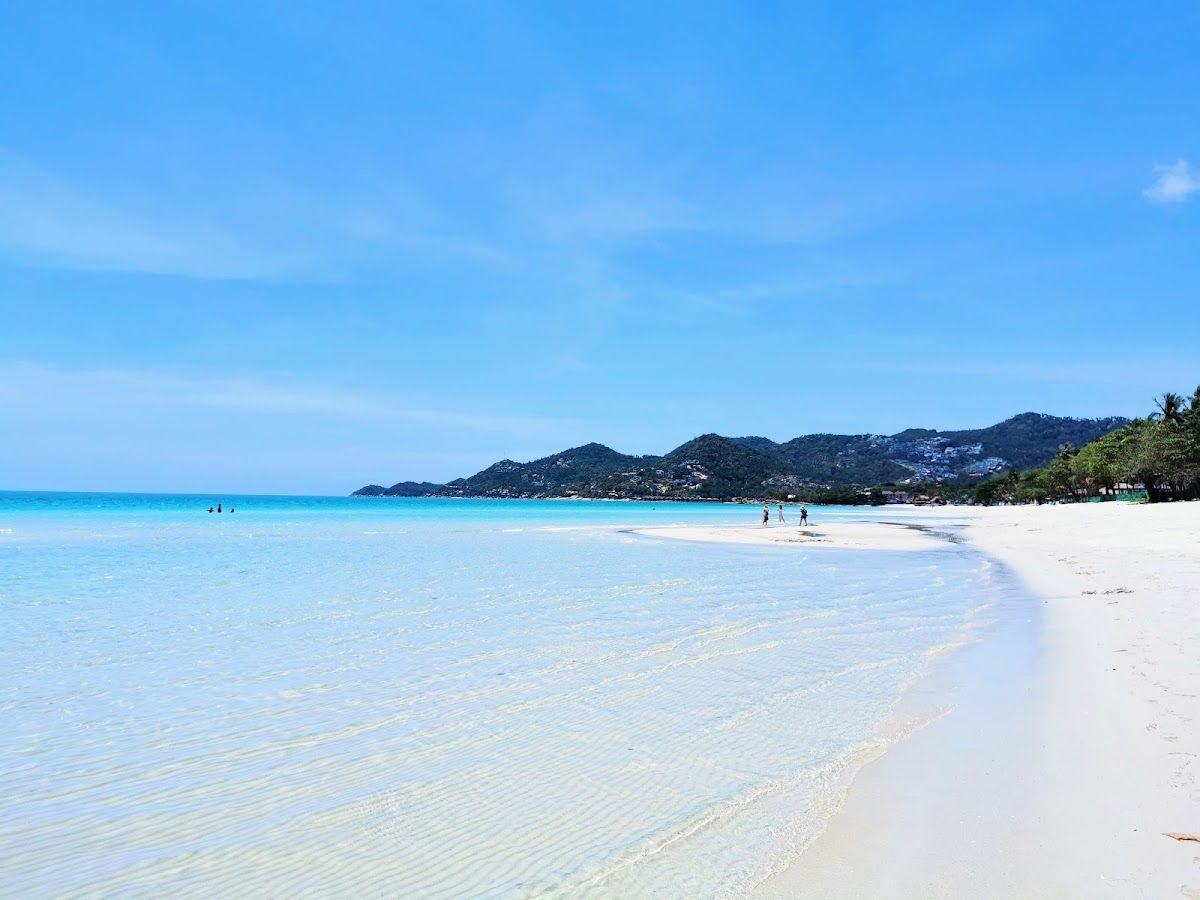
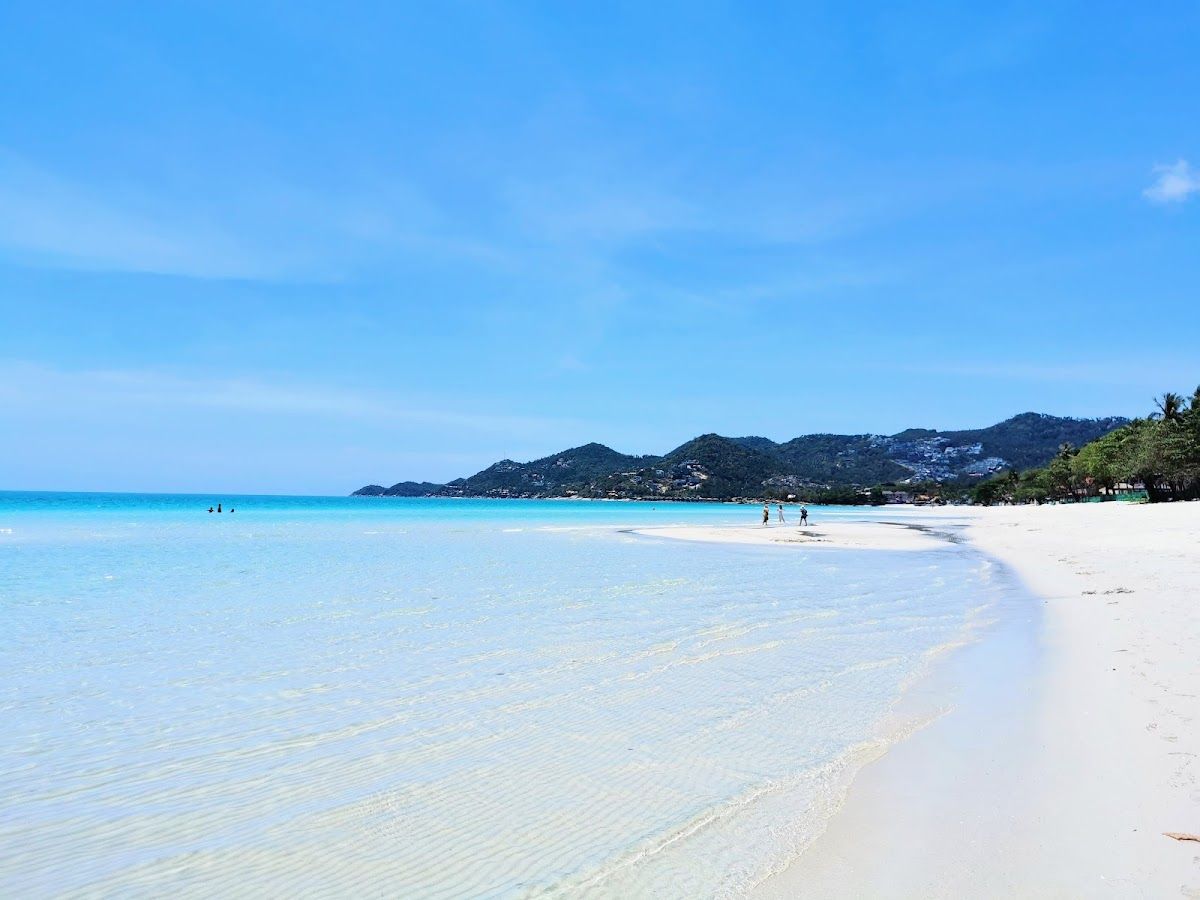
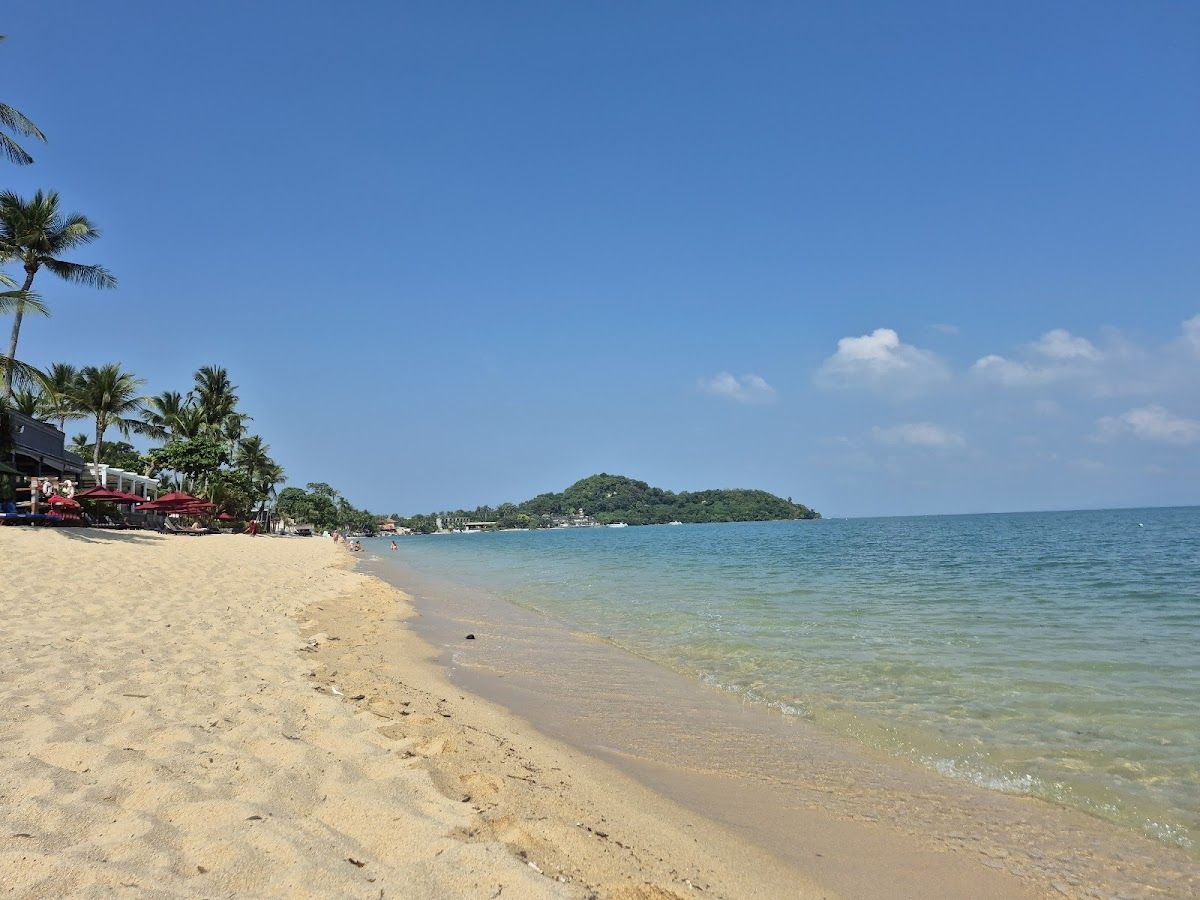
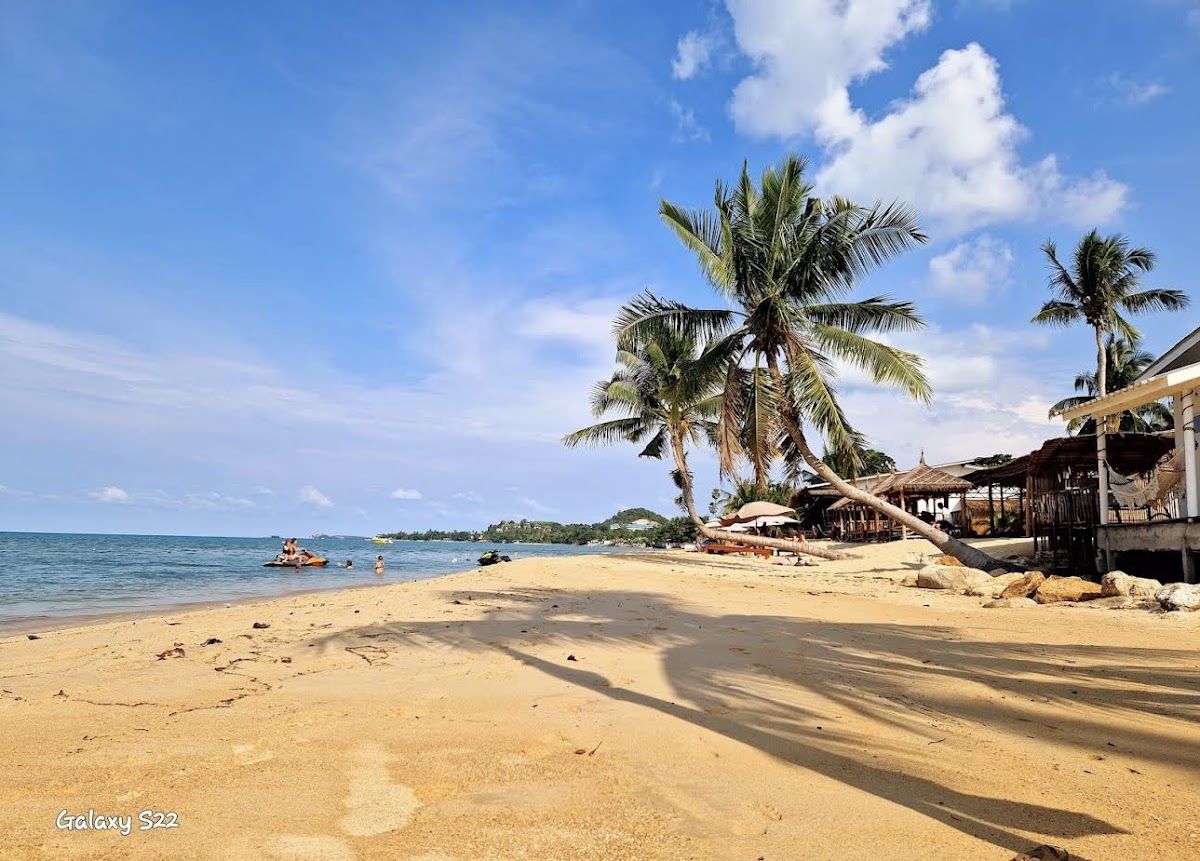
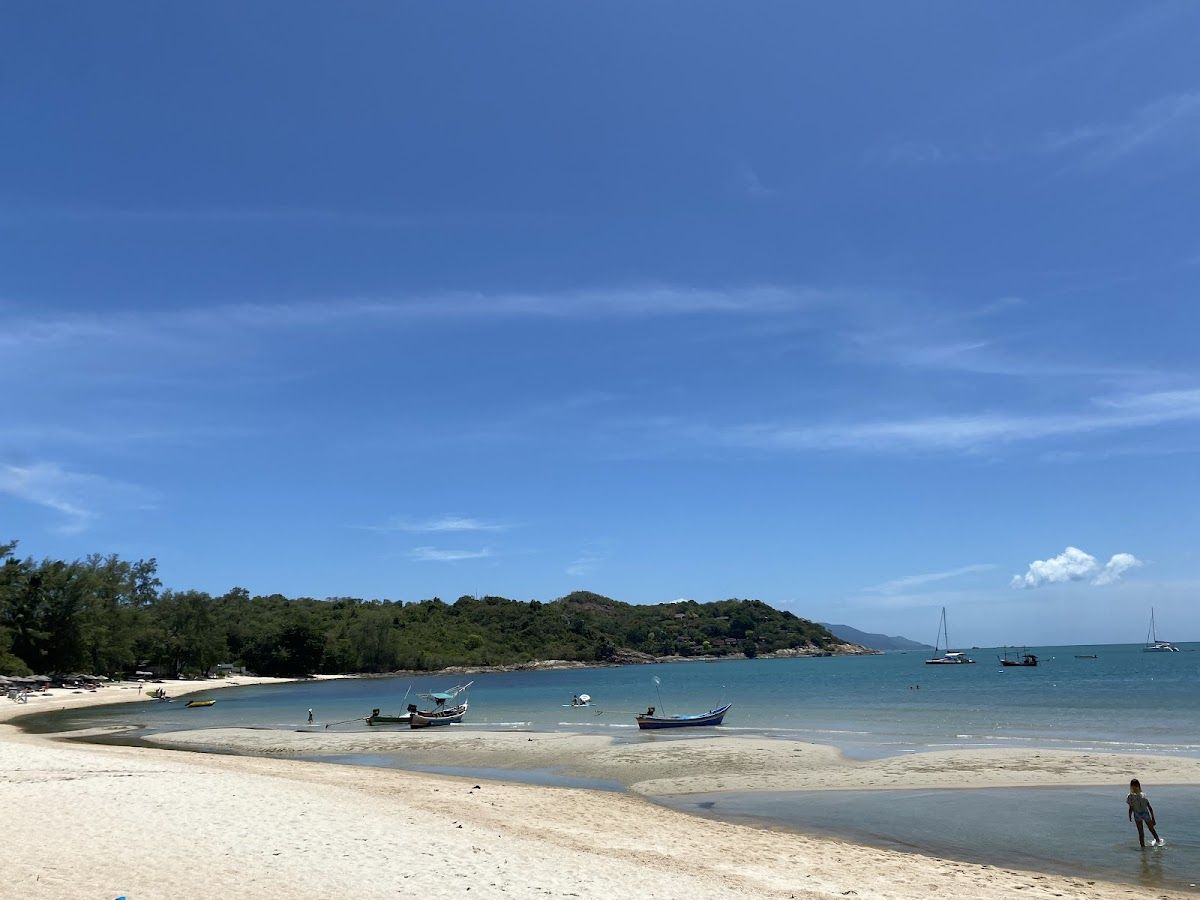
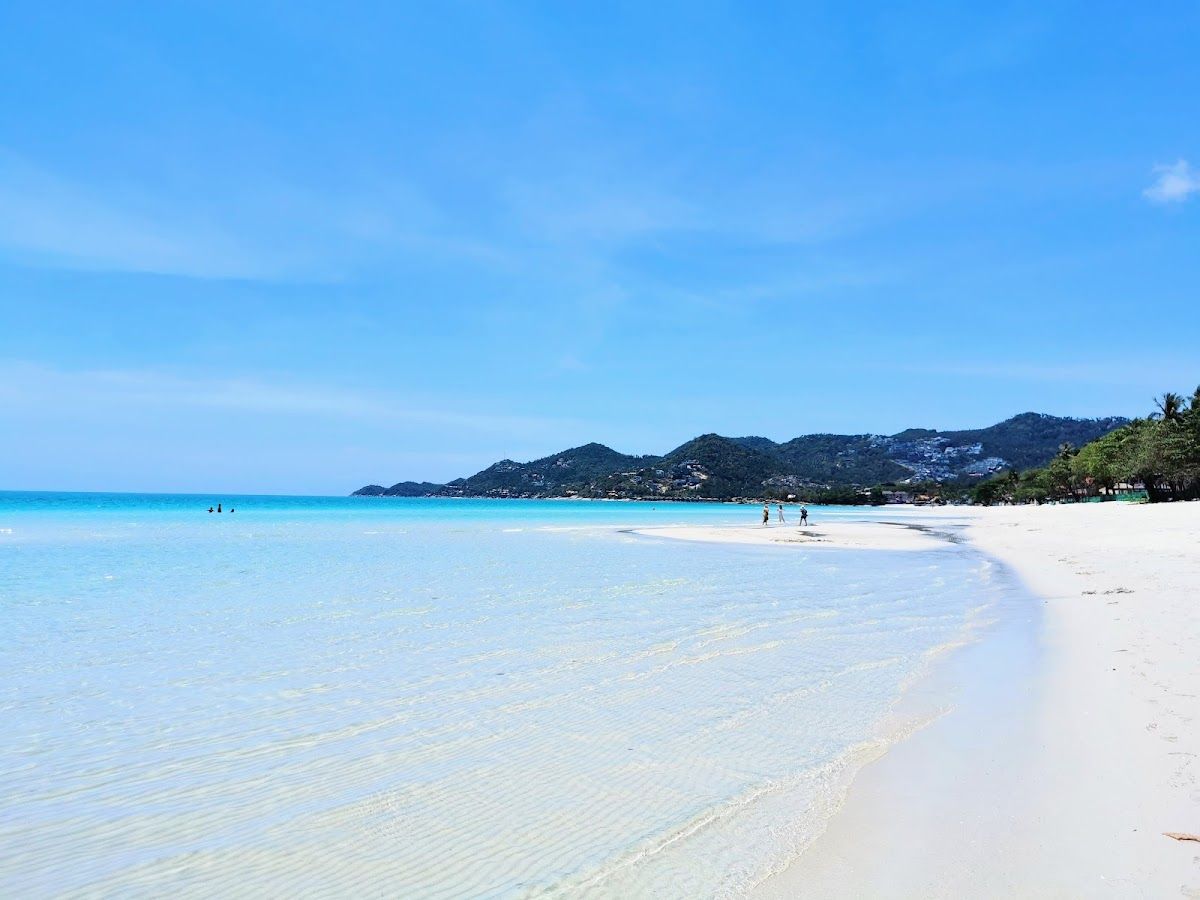
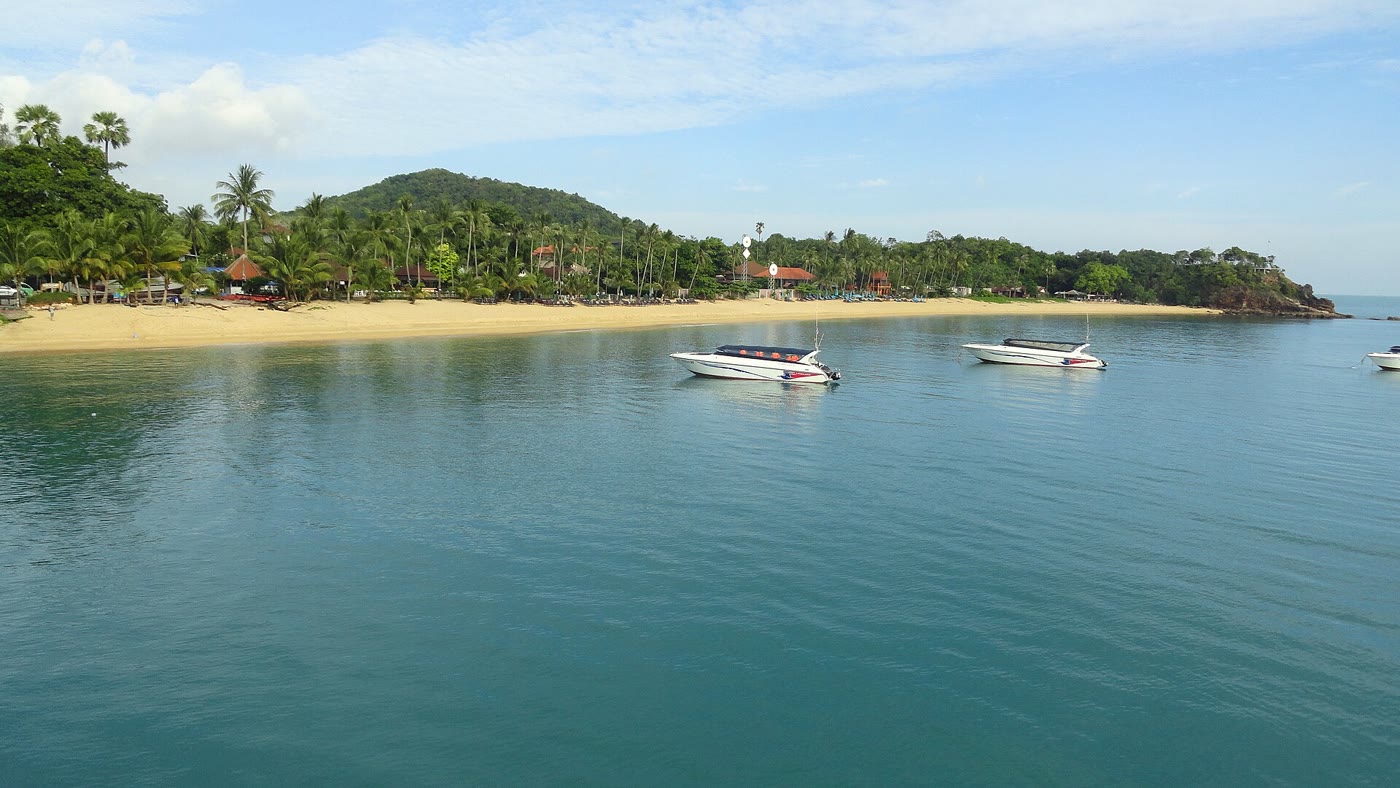
Public beaches: all of them. Chaweng, Lamai, Bophut, Choeng Mon, Maenam, the west coast — free to use. Some beach chairs require a minimum purchase at the attached restaurant (฿50–100), easily avoided by laying your own towel on the unreserved sand.
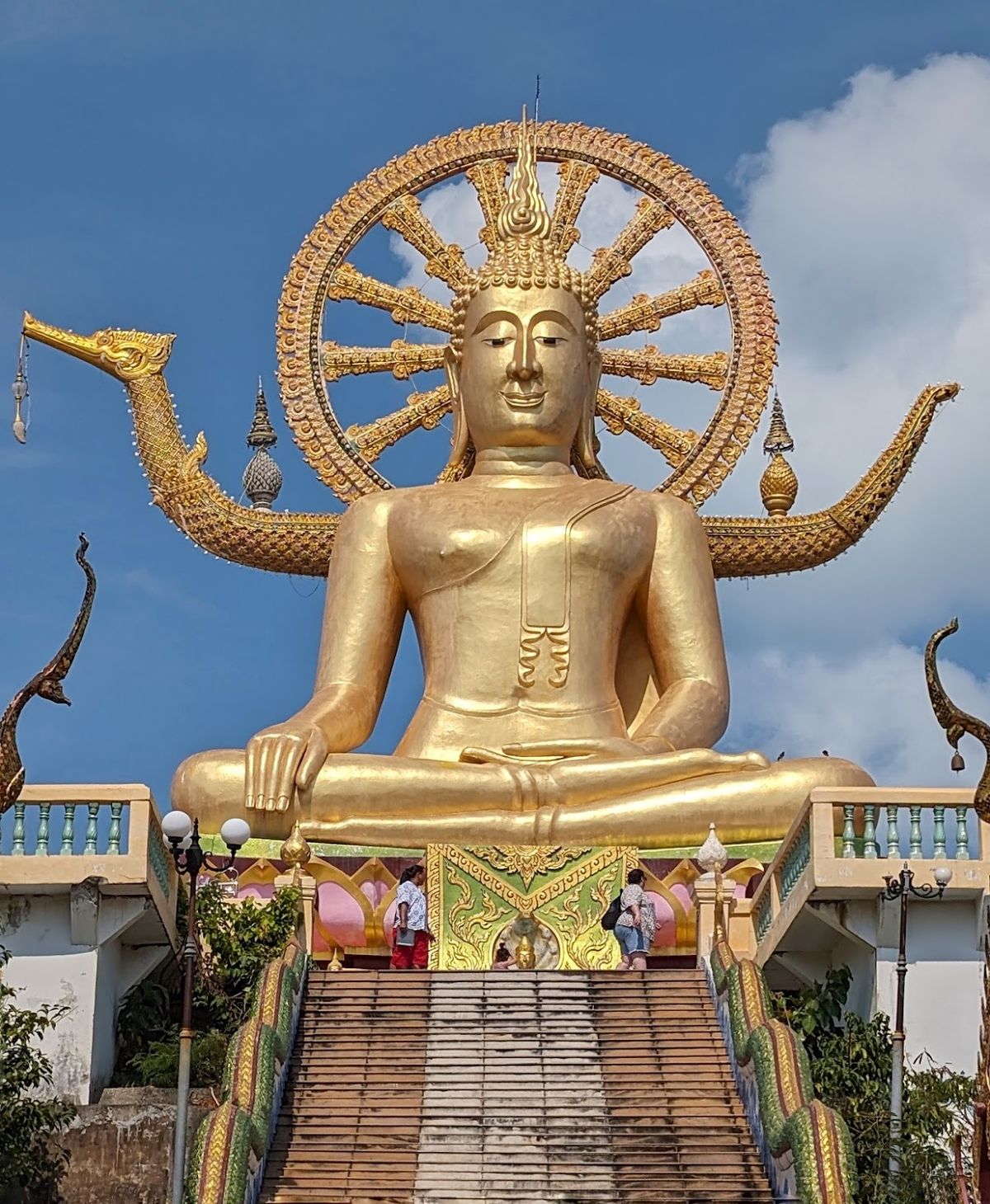
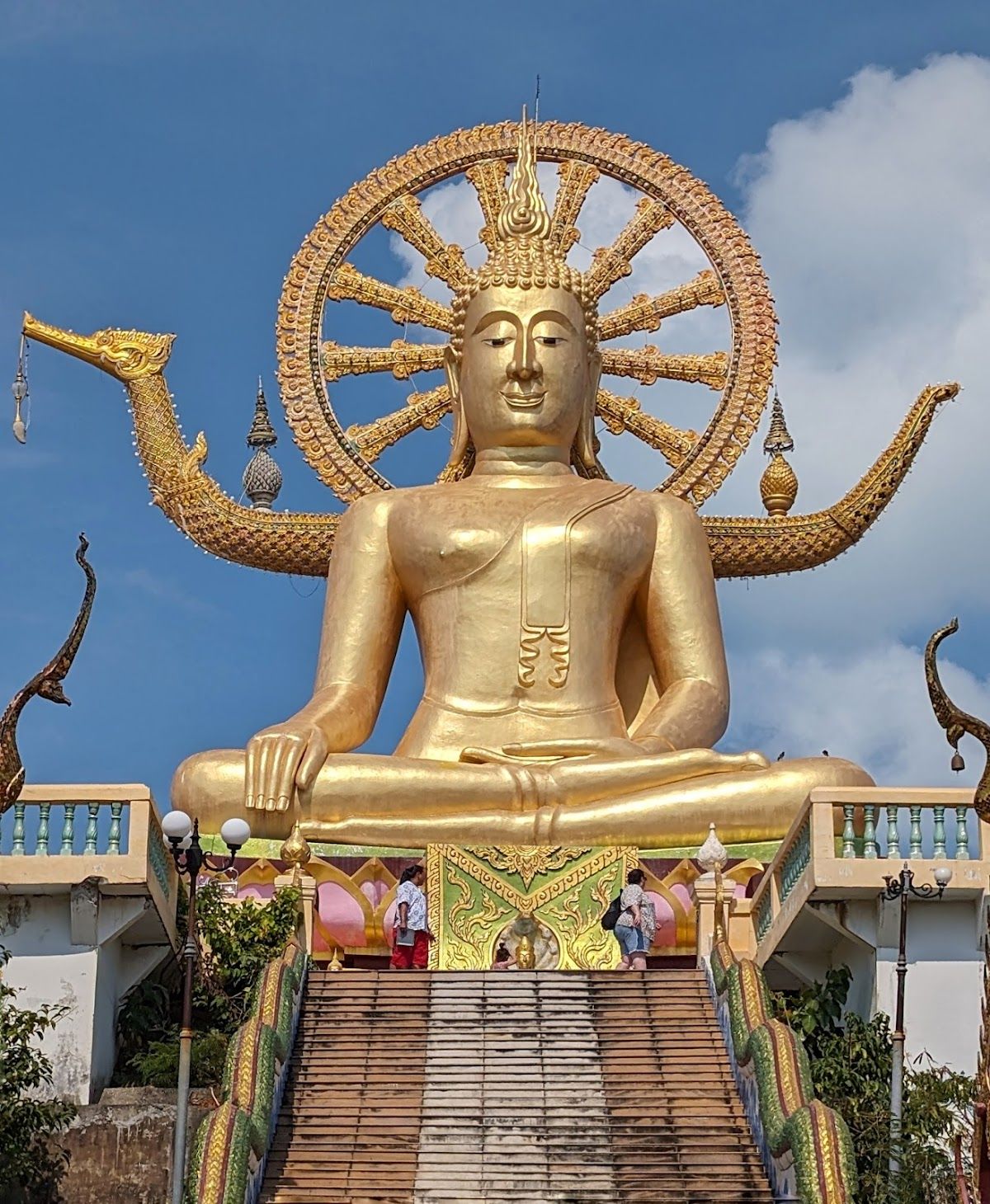
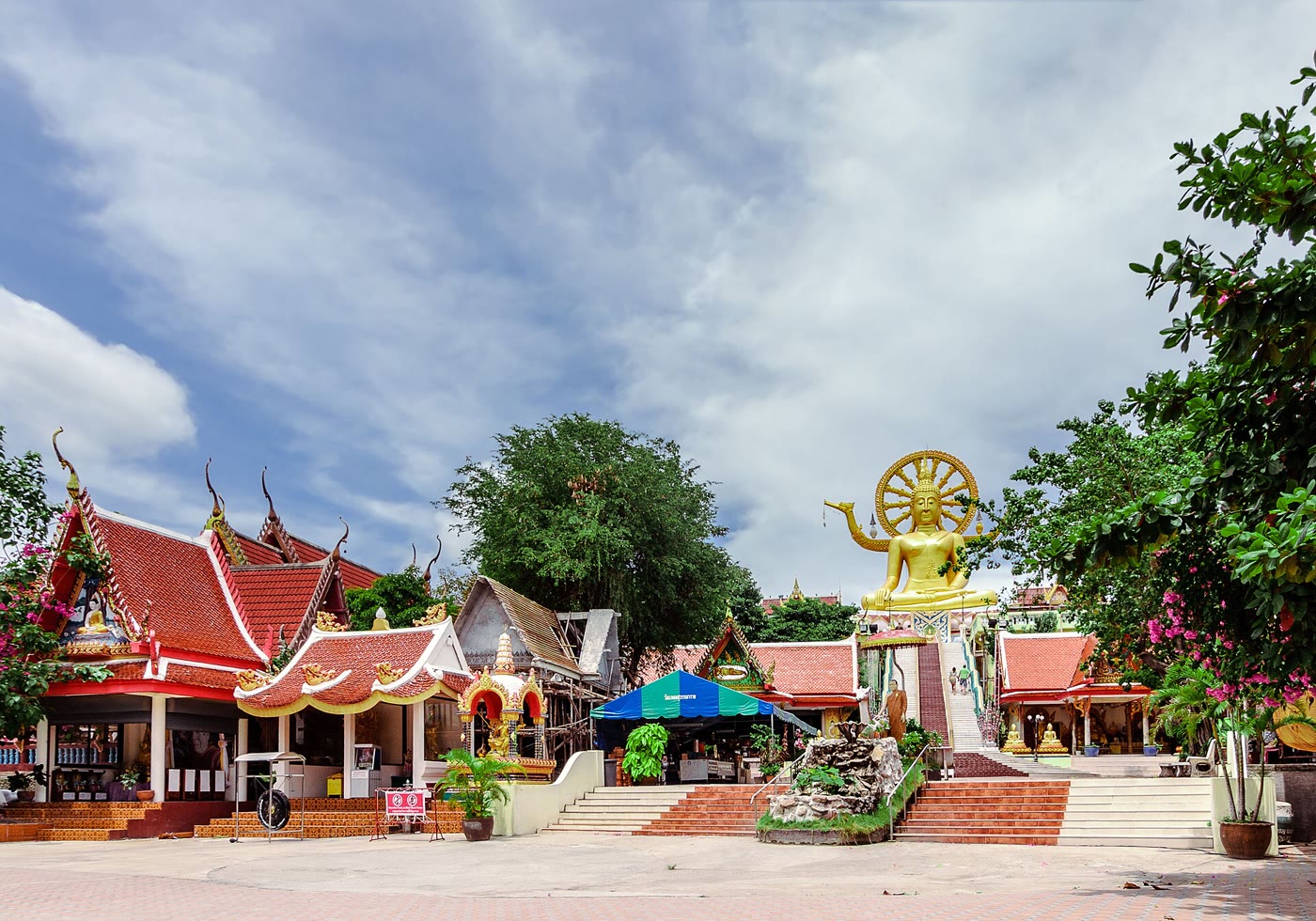
Big Buddha (Wat Phra Yai): free. Worth 30–45 minutes. The temple complex includes smaller shrines and vendors selling offerings. Dress code applies (shoulders and knees covered).
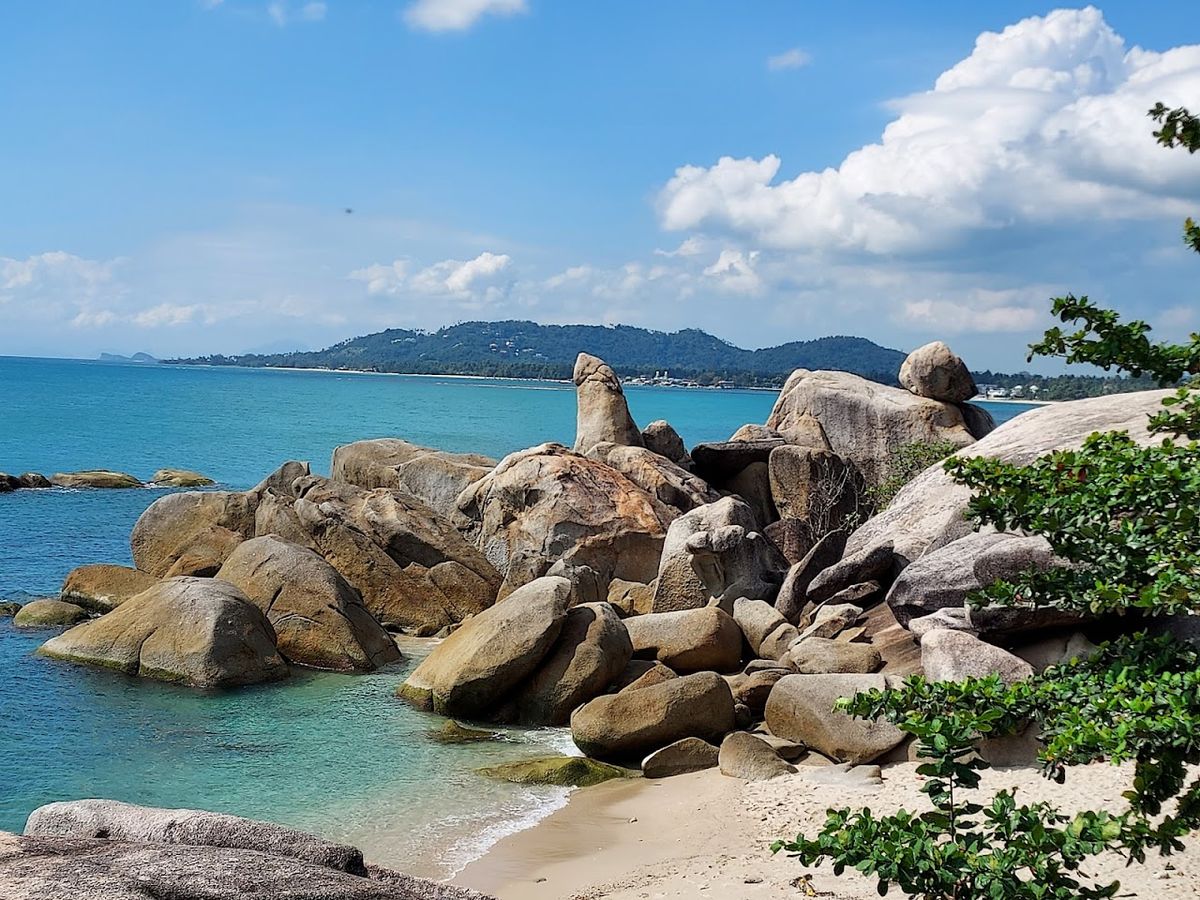
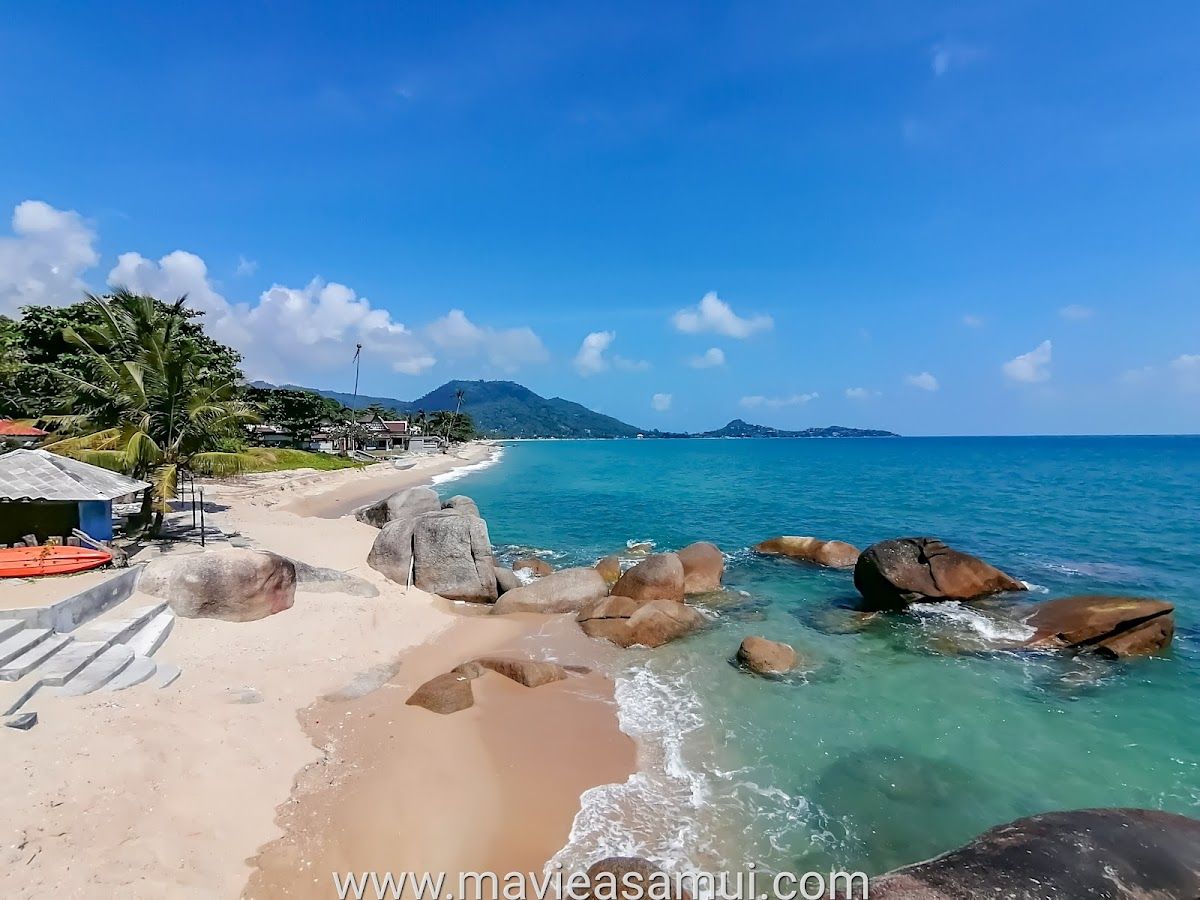
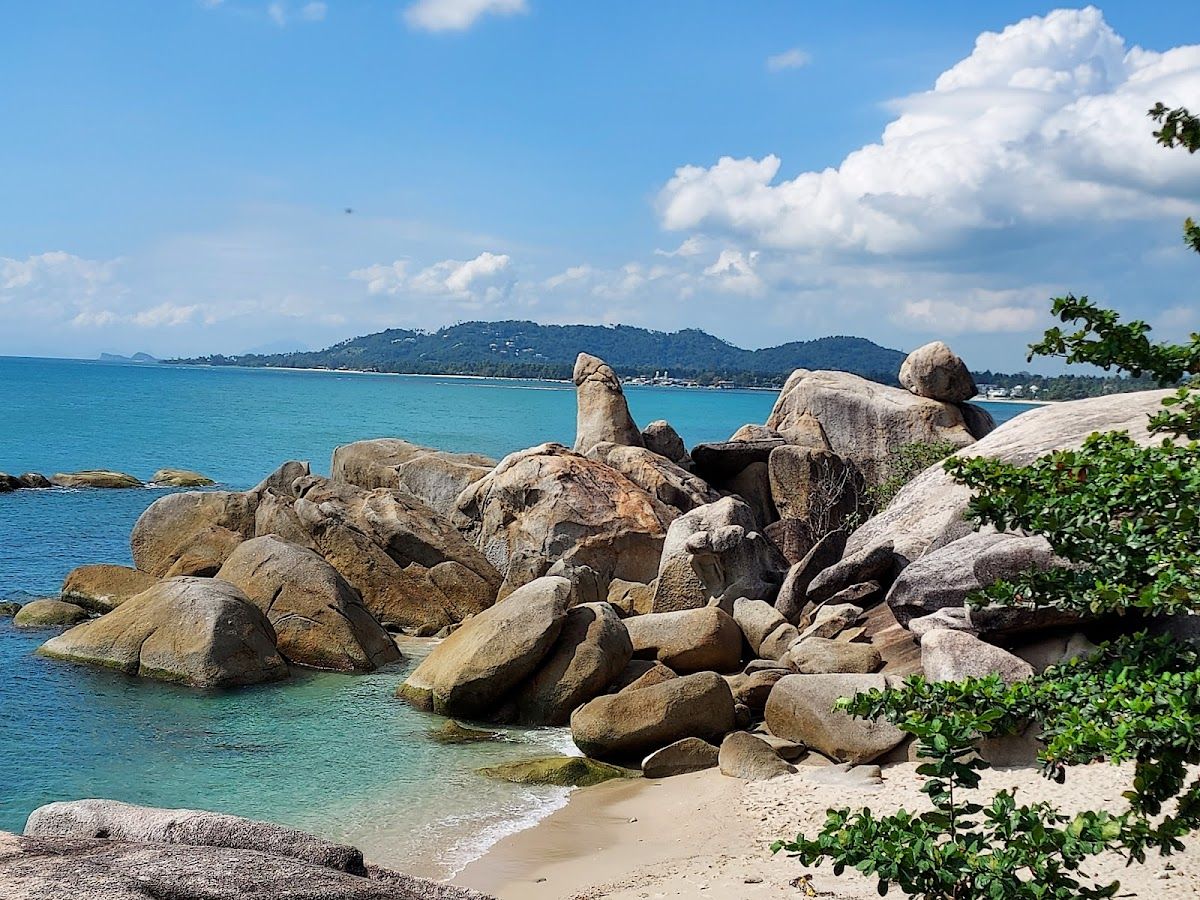
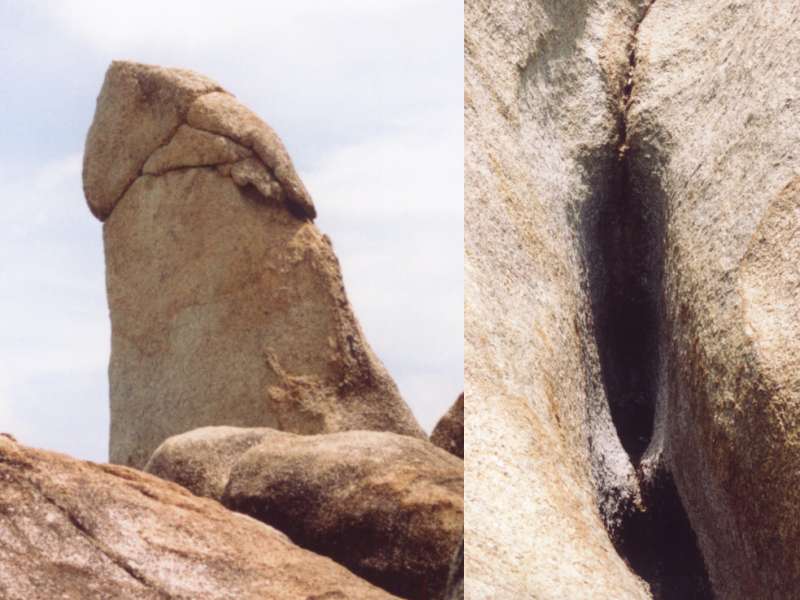
Hin Ta and Hin Yai rocks: free. The famous rock formations at the south end of Lamai. Roughly five minutes on foot from the road.
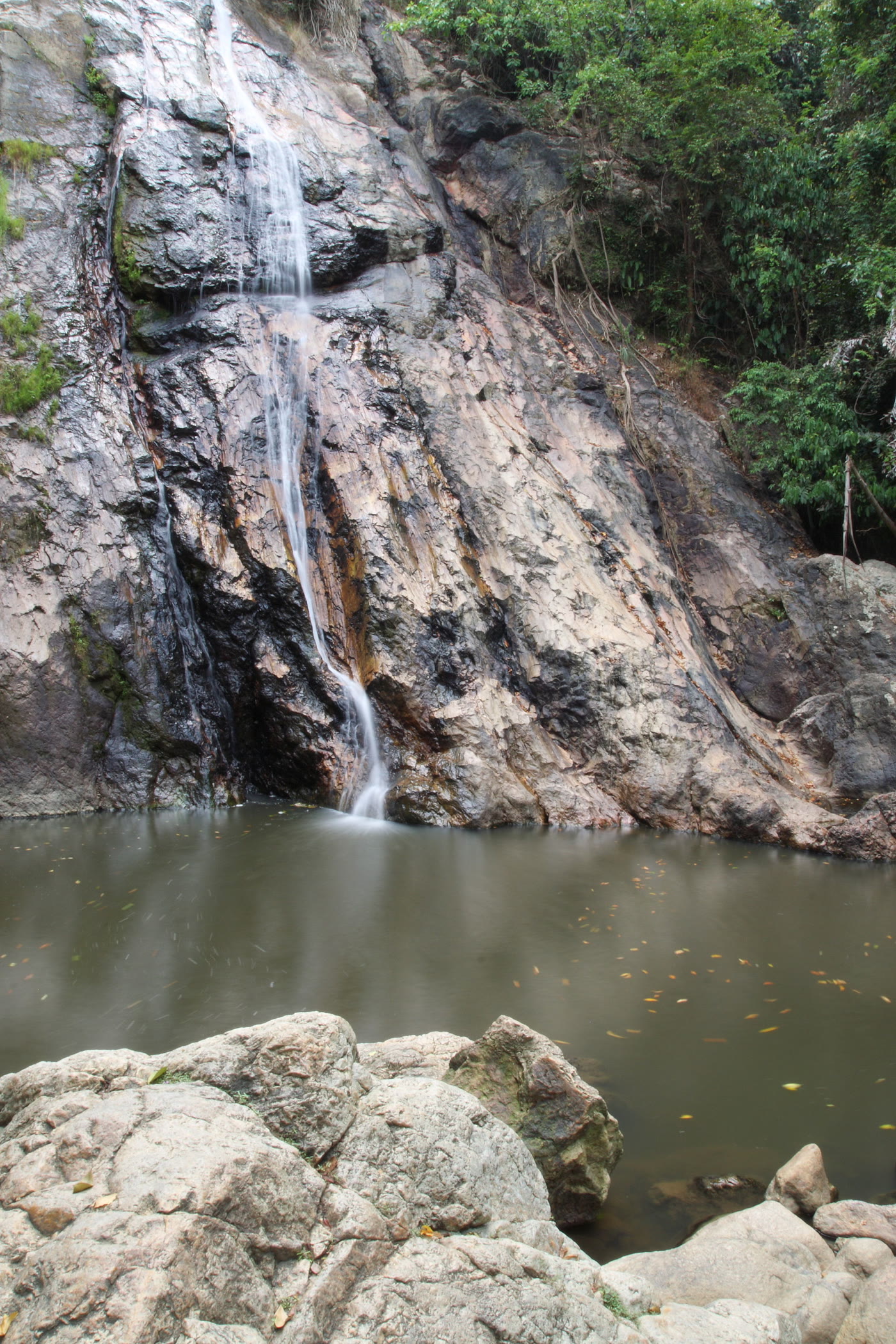
Namuang waterfall: the lower falls are free to visit and a short walk from the car park. The second, higher falls require a longer hike. Both are in the island’s interior and worth combining with a scooter day.
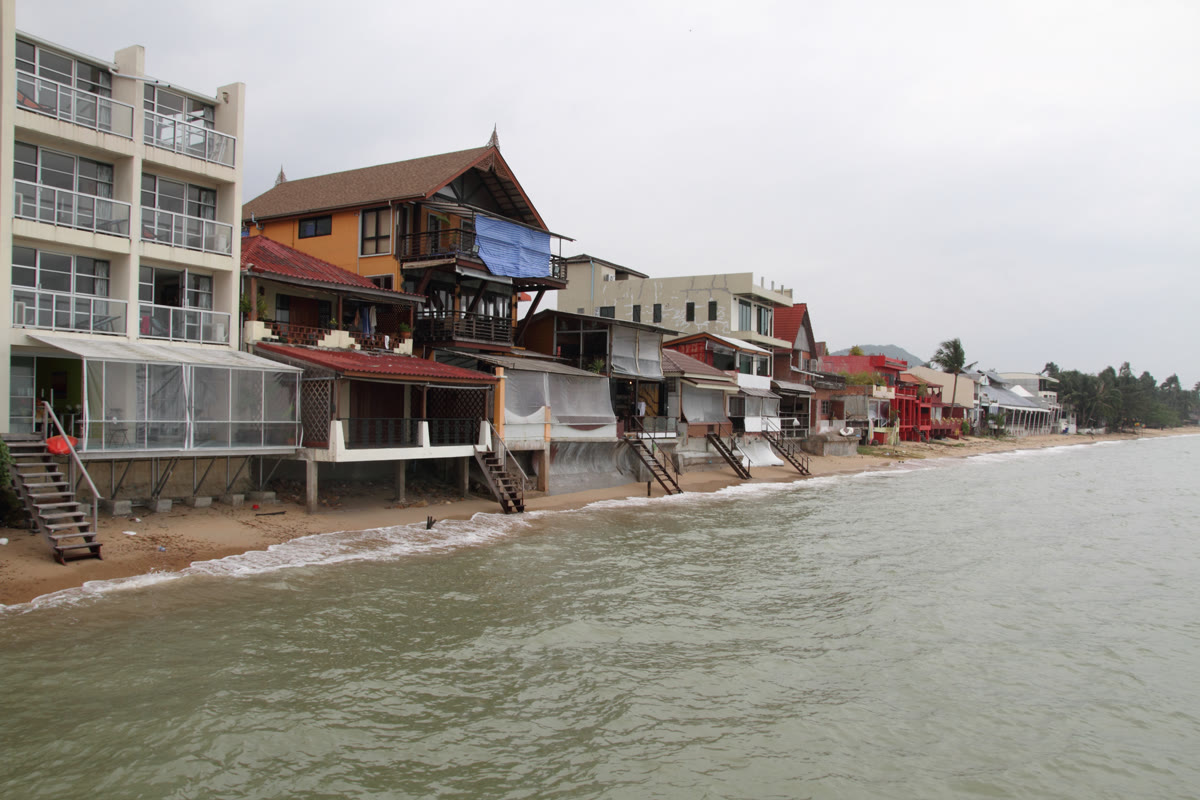
Viewpoints: the ring road has several pull-offs with elevated views of the coastline, particularly on the road between Nathon and Taling Ngam on the west coast. Free, and often better than the paid attractions.
Night markets: free entry at Bophut (Friday), Chaweng walking street, Lamai, and Nathon (Monday). You pay only for food — browsing and atmosphere cost nothing.
Things that quietly drain the budget
- Airport taxis: negotiate hard or walk to the road
- Bottled water at restaurants: marked up significantly. Buy at 7-Eleven
- Tour packages sold at guesthouses: often 30–50% more than booking direct at the activity pier
- Alcohol at beach bars: ฿180–250 for a beer. Buy it at 7-Eleven instead (฿55–65 per can) and find a beach with no bar charges
- Booking.com hotel prices: walk-in rates at budget guesthouses are sometimes cheaper than online platforms
For the full transport picture, see getting around Koh Samui. And if you’re planning meals on a budget, the food guide has the market schedule and price breakdown.
FAQ
How much is a budget day on Koh Samui?
About 800 to 1,200 baht if you take a dorm, eat at markets, and ride songthaews. A mid-range day, with a guesthouse and some scooter hire, is about 1,500 to 2,500 baht.
What can you do for free?
Public beaches, Wat Phra Yai, Hin Ta and Hin Yai, and the lower Namuang waterfall. Night markets are free to enter. You pay for the food.
What is the cheapest way to reach the island?
Bus or train to Surat Thani, then the ferry from Donsak to Nathon. From Surat Thani town that leg is about 600 to 700 baht. Flying into Samui is faster and usually costs more.