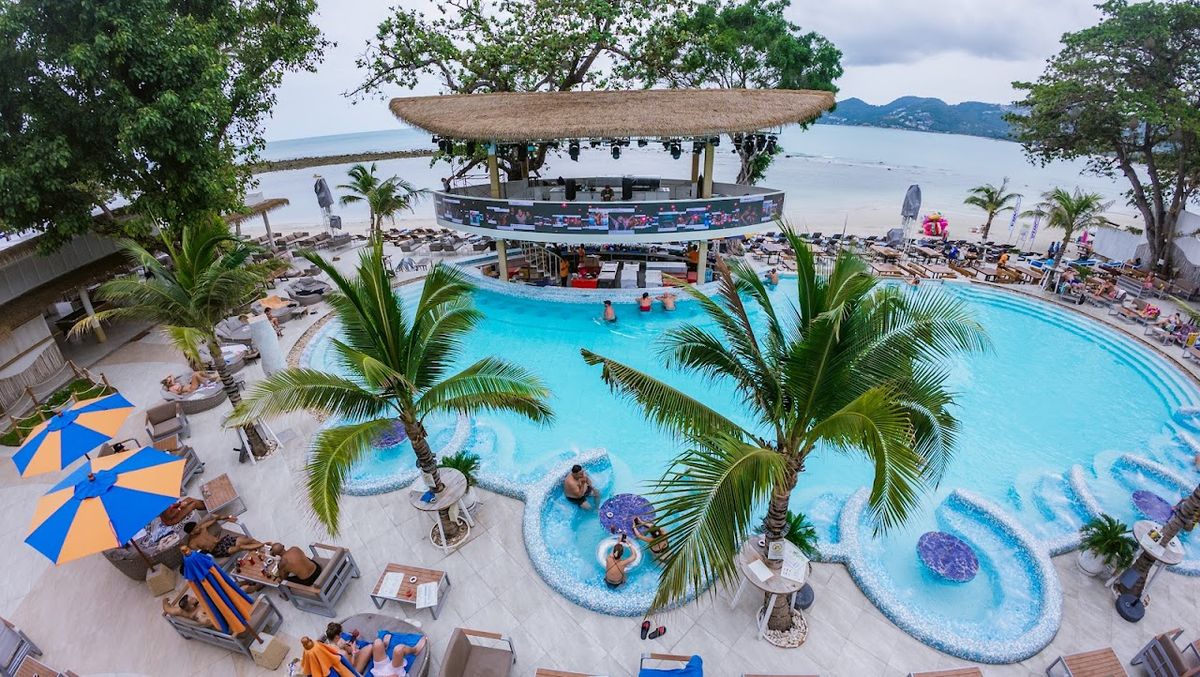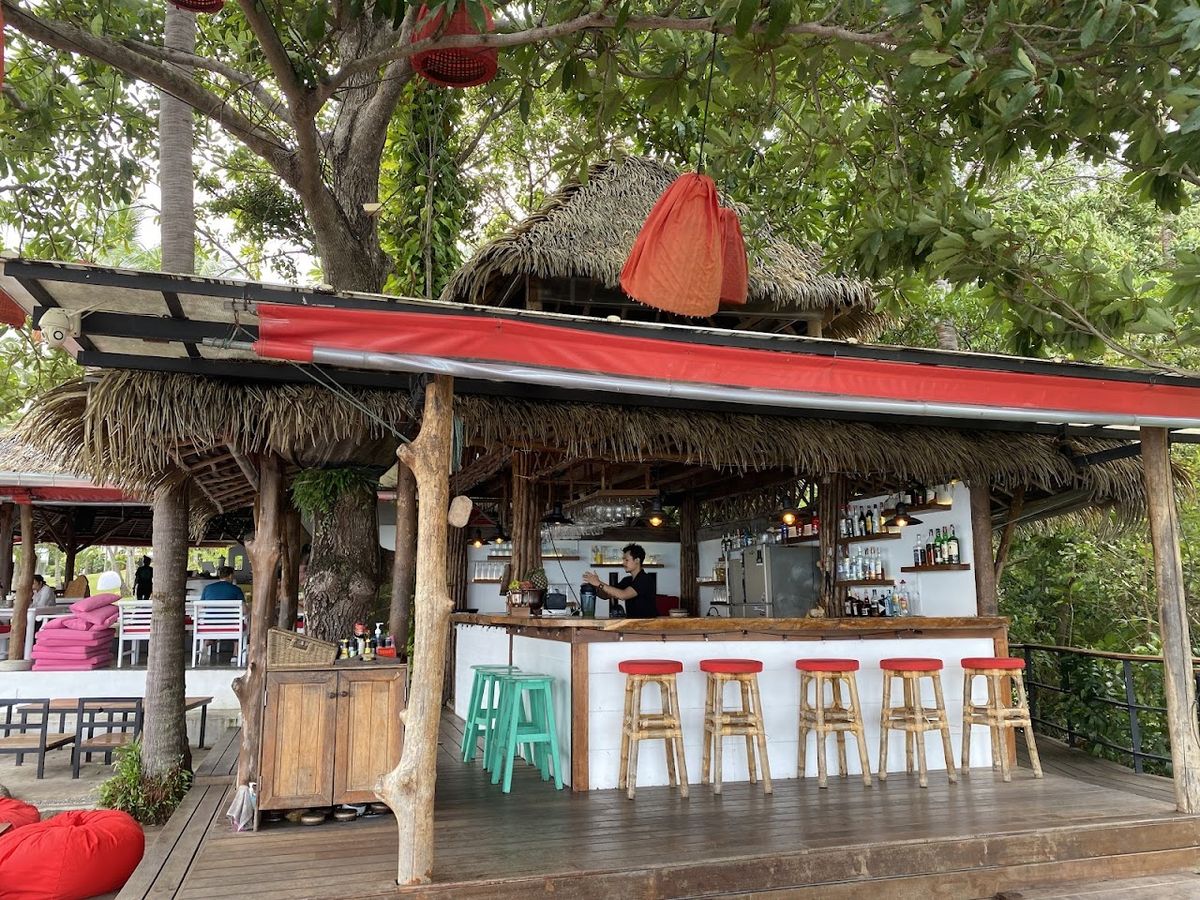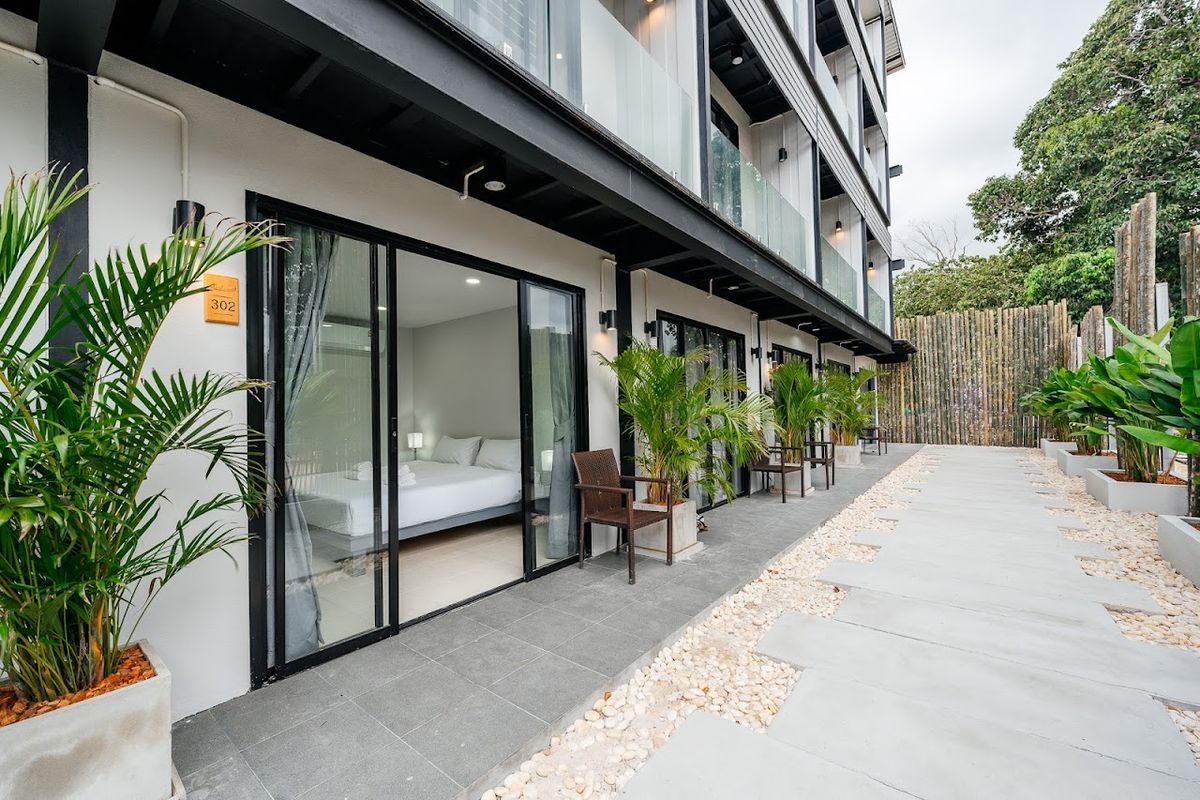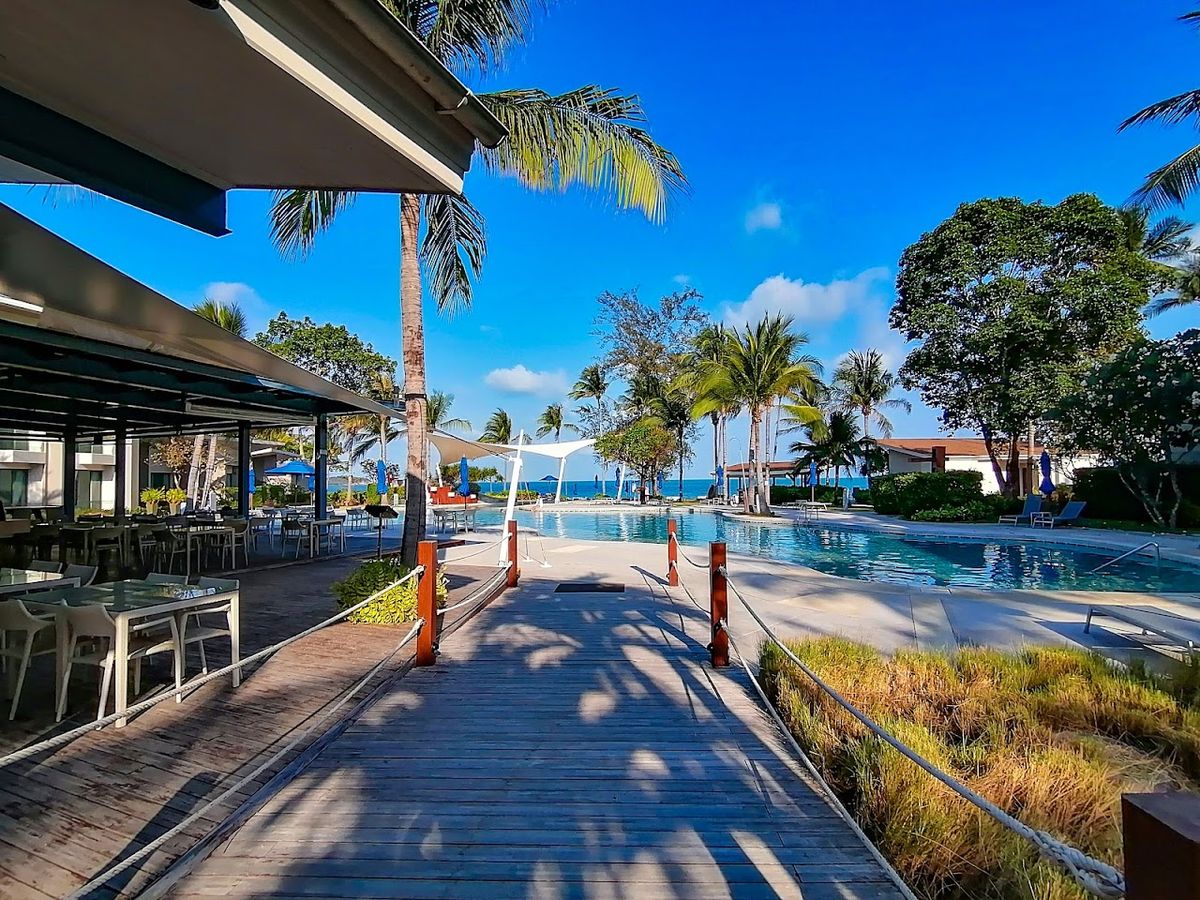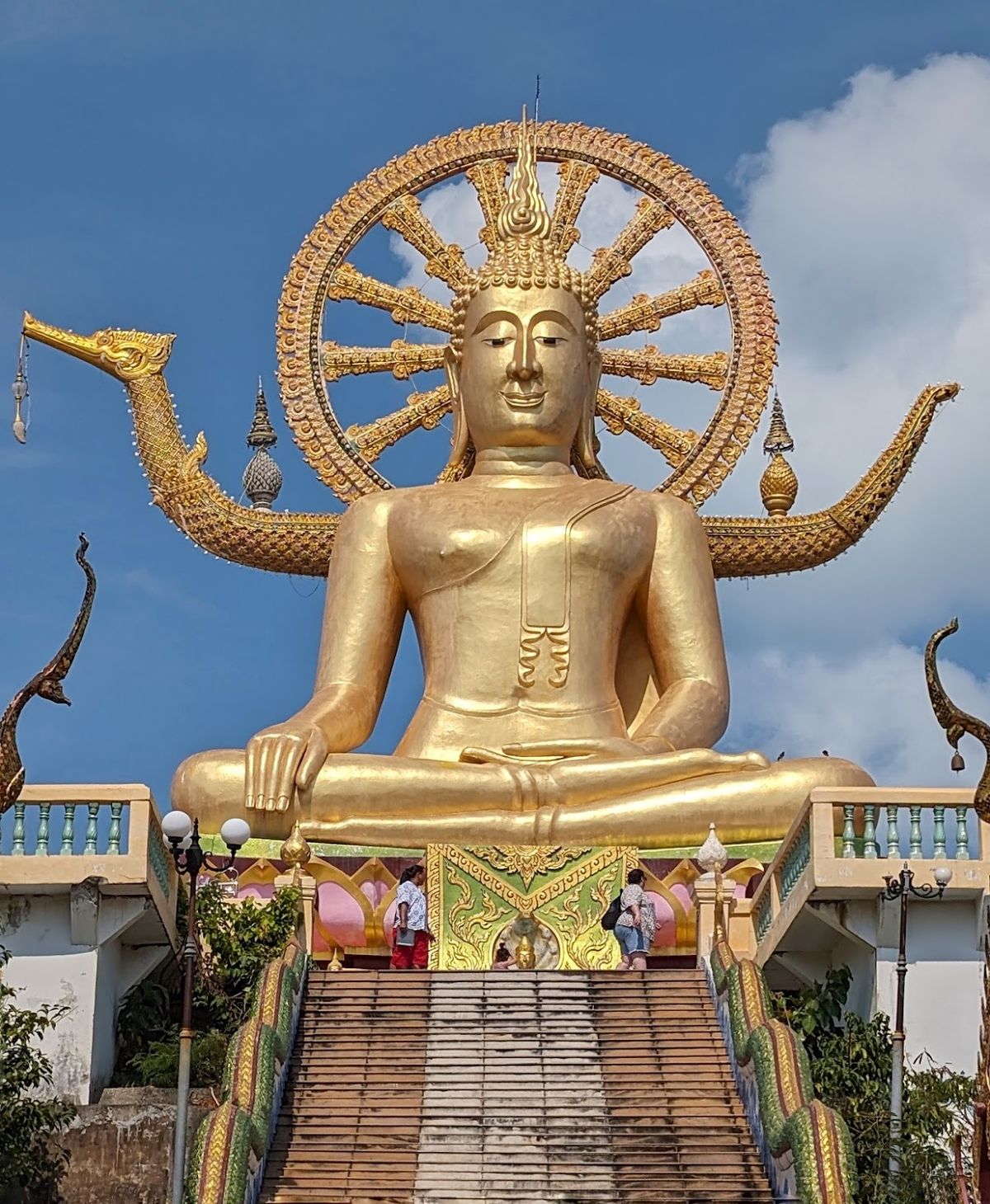
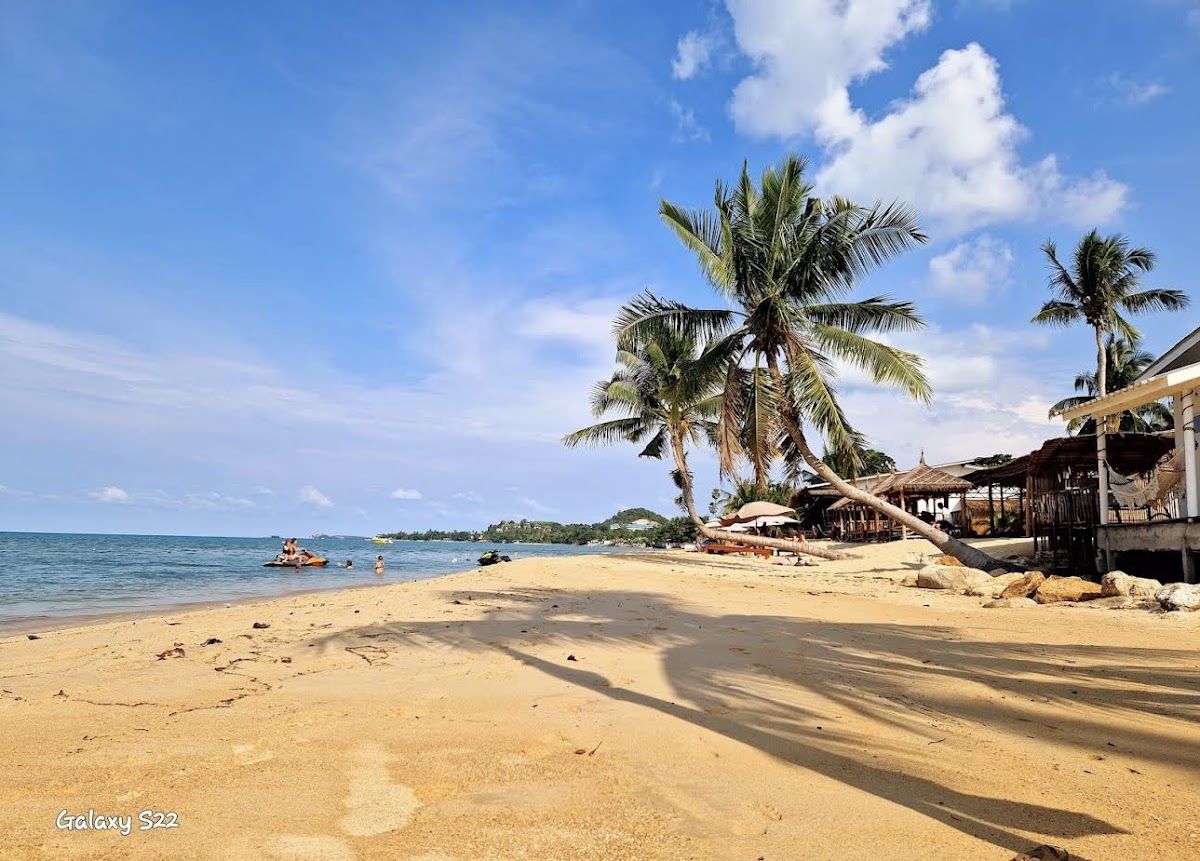
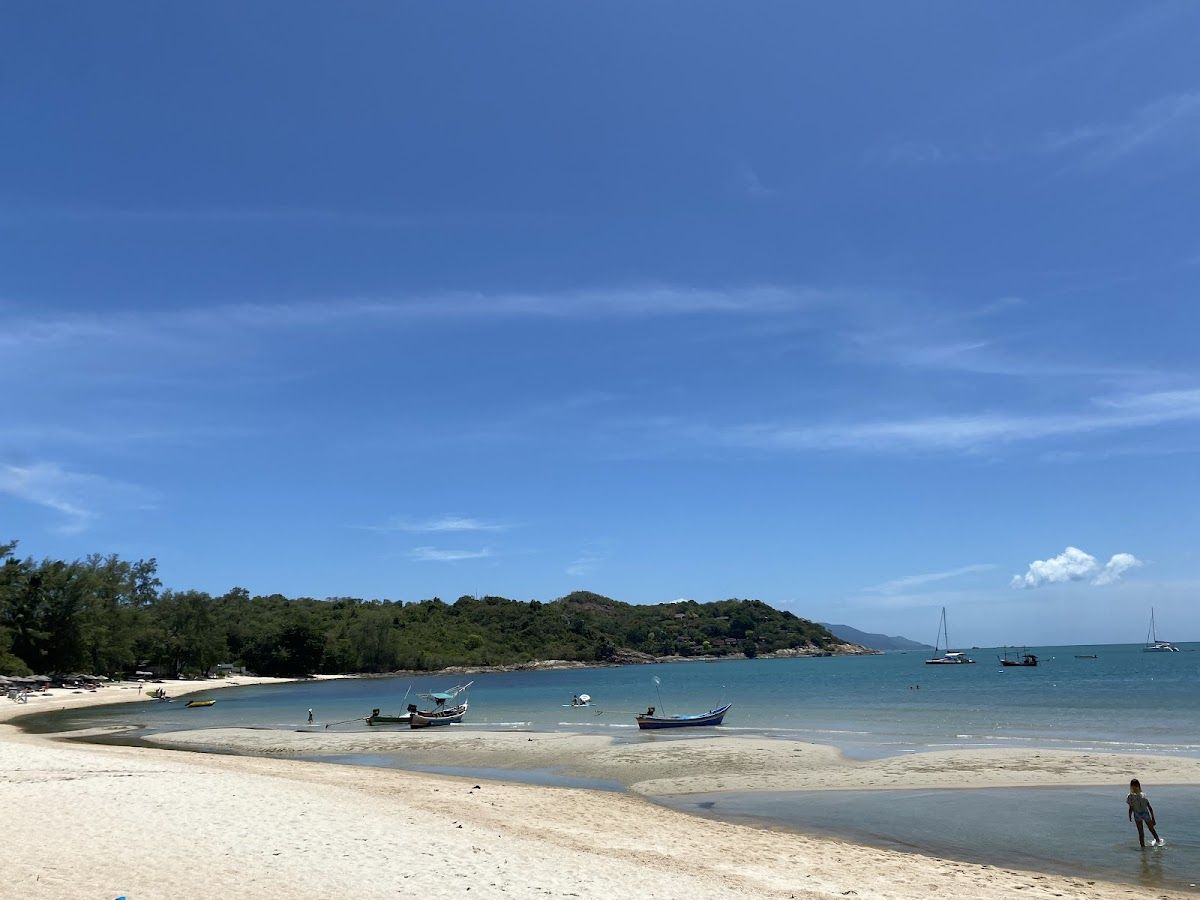
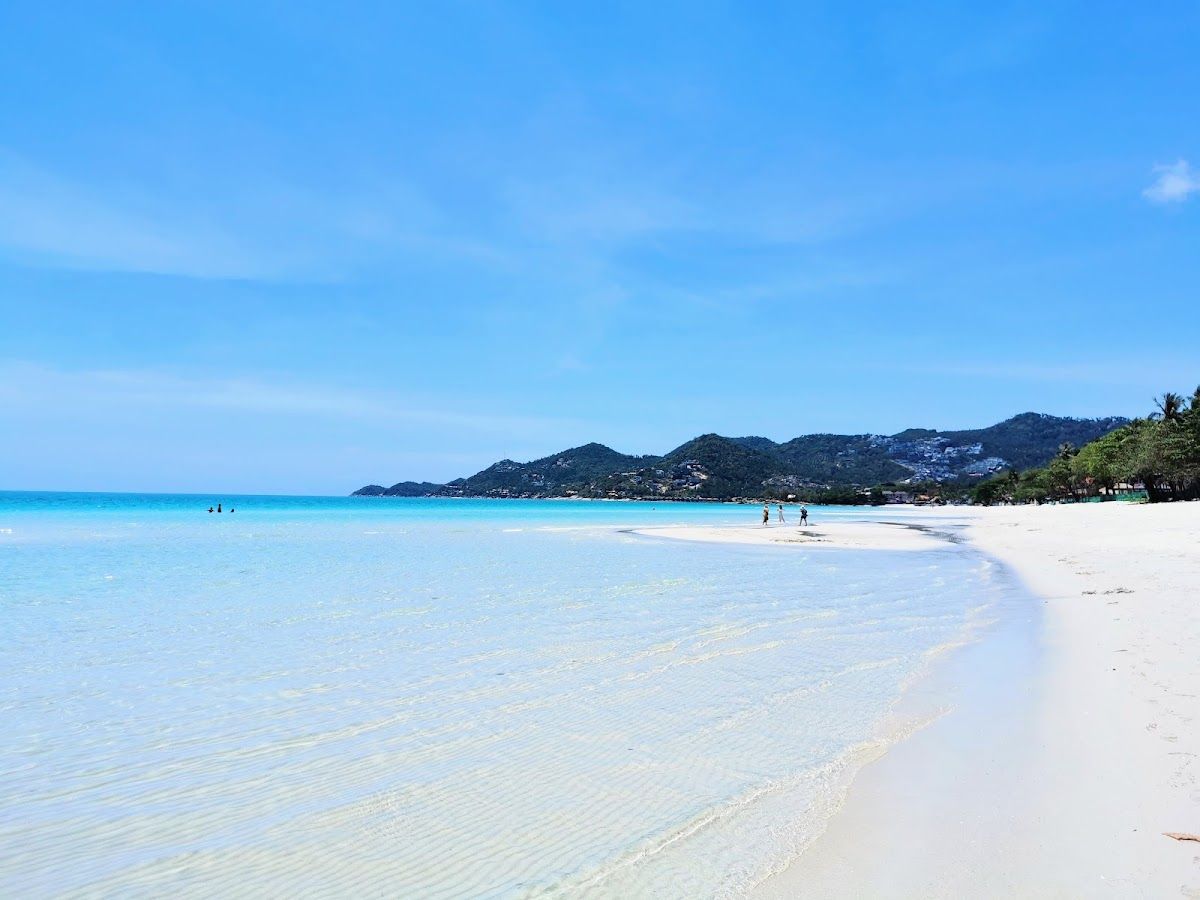

Most people asking Chaweng vs Lamai have already cut the island down to the two east-coast towns. They sit about 12 kilometres apart. Far enough to feel different, close enough that you can see the other one in a morning. Chaweng is bigger, louder and usually more expensive. Lamai is easier and puts you nearer the south of the island. Pick Chaweng if you want noise after dinner. Pick Lamai if you do not.
Quick facts
- The two beaches are about 12 kilometres apart, 20 to 25 minutes by road.
- Chaweng is the longer beach, about 7km, and the night runs late. Lamai is about 4km and winds down earlier.
- Hotel bands noted July 2026: a mid-range room with a pool was about 2,500–5,500 THB in Chaweng and 1,800–4,000 THB in Lamai. That shows the gap. It is not a quote for your dates.
- With small children, skip both and read family resorts. Choeng Mon is the calmer water.
Which one to book
| Chaweng | Lamai | |
|---|---|---|
| Book it if | You want restaurants, bars and the beach in one walk, or it is your first trip | You want a similar beach, quieter nights and a lower bill |
| Skip it if | You need sleep before midnight, or you have small children | You came for clubs, or you want the widest choice of dinner on foot |
| Beach | About 7km of white sand. Busy from mid-morning in high season. | About 4km. Quieter. The south end is rocks, not a swim. |
| Night | Beach Road, Ark Bar, Green Mango. Often past 2am. | Small bars. Winds down earlier. |
| Swim | Good November to April. Swell can pick up May to October. | Same season. Do not swim at Hin Ta. |
| Families | The sand is fine by day. The strip is not, after 9pm. | Calmer of the two. Still not the best family base. |
| Airport | About 15 minutes | About 30 to 35 minutes |
| Price, noted July 2026 | Mid-range rooms with a pool about 2,500–5,500 THB | The same sort of room about 1,800–4,000 THB |
Those hotel bands were written down in July 2026. They are a gap between the two beaches, not a quote for your dates. Current rates are on the hotel links below and in the beachfront hotels guide.
Pick Chaweng for a first trip when you want the lot within walking distance. Pick Lamai when you have done Chaweng, or when the budget is the point and you still want a proper beach. If the trip is with small children, stop the comparison and read family resorts. Choeng Mon is the calmer water.
The short version
- Chaweng — longest beach (7km), widest choice of hotels, restaurants and bars; highest prices on the island; the right pick if nightlife and convenience matter
- Lamai — 4km beach, generally lower prices across accommodation and food, more relaxed pace; better base for Na Muang Waterfall and the south coast; suits those who want quiet evenings
- Beach quality — roughly equal in high season; Chaweng is marginally better for swimming depth and sand consistency; Lamai’s south end has rock formations worth seeing
- Families — Lamai is quieter, but neither area is the island’s best family base (that’s Choeng Mon — see Koh Samui with kids)
- Budget — Lamai wins clearly; Chaweng’s cheapest options are further from the beach and still cost more
Chaweng vs Lamai at a glance
| Chaweng | Lamai | |
|---|---|---|
| Beach length | ~7km | ~4km |
| Nightlife | Lively — clubs, fire shows, late bars | Quiet — small bars, early close |
| Hotel prices | Higher | Lower |
| Families | Not ideal (noisy at night) | Better, not the best |
| Airport distance | ~15 min | ~30–35 min |
| Best for | First visits, nightlife, convenience | Budget, relaxed pace, south-island base |
Prices noted July 2026.
The beaches
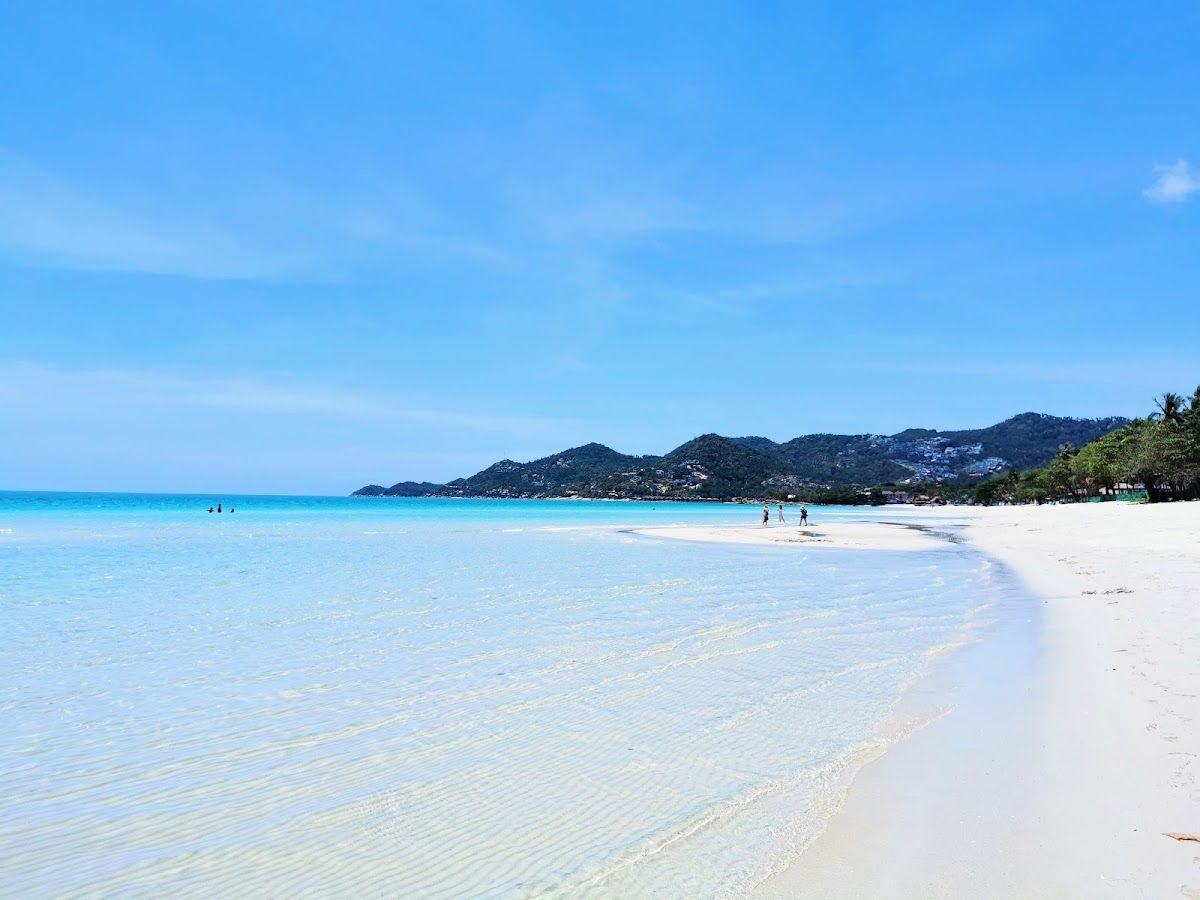
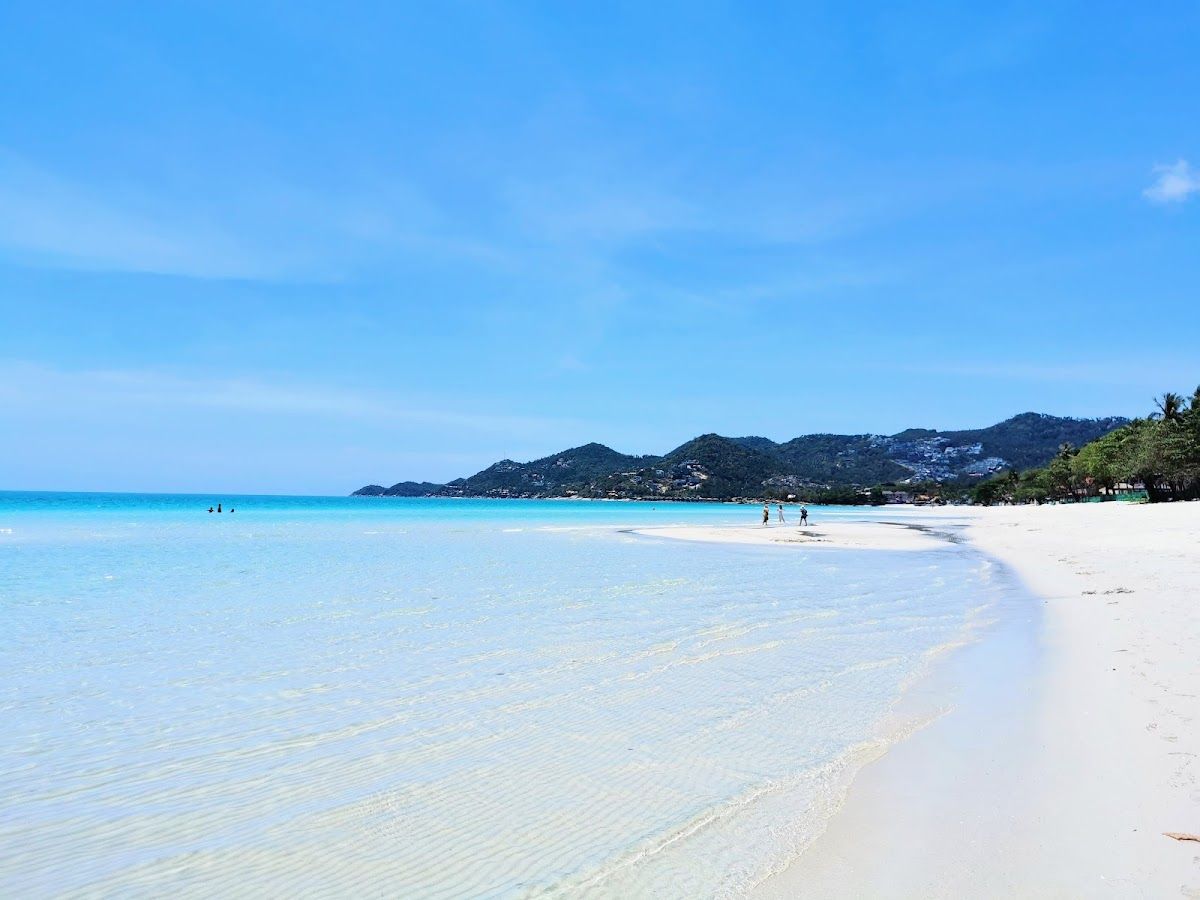
Chaweng Beach runs about 5–6 kilometres on the main stretch, with the quieter Chaweng Noi bay adding another kilometre at the southern end — often cited together as “7km”, which is roughly right. The central section — from the main road access points down through the beach bars — is where most people set up. Sand is white and consistent, and the shelf is gradual enough for a comfortable swim. Water clarity is usually best from January to April, often decent in December and May; November can still be rough. In high season (December to February and the July–August peak), the beach gets properly busy from mid-morning: sun loungers rented for 100–200 THB per bed, and the beach vendors are persistent but not aggressive.
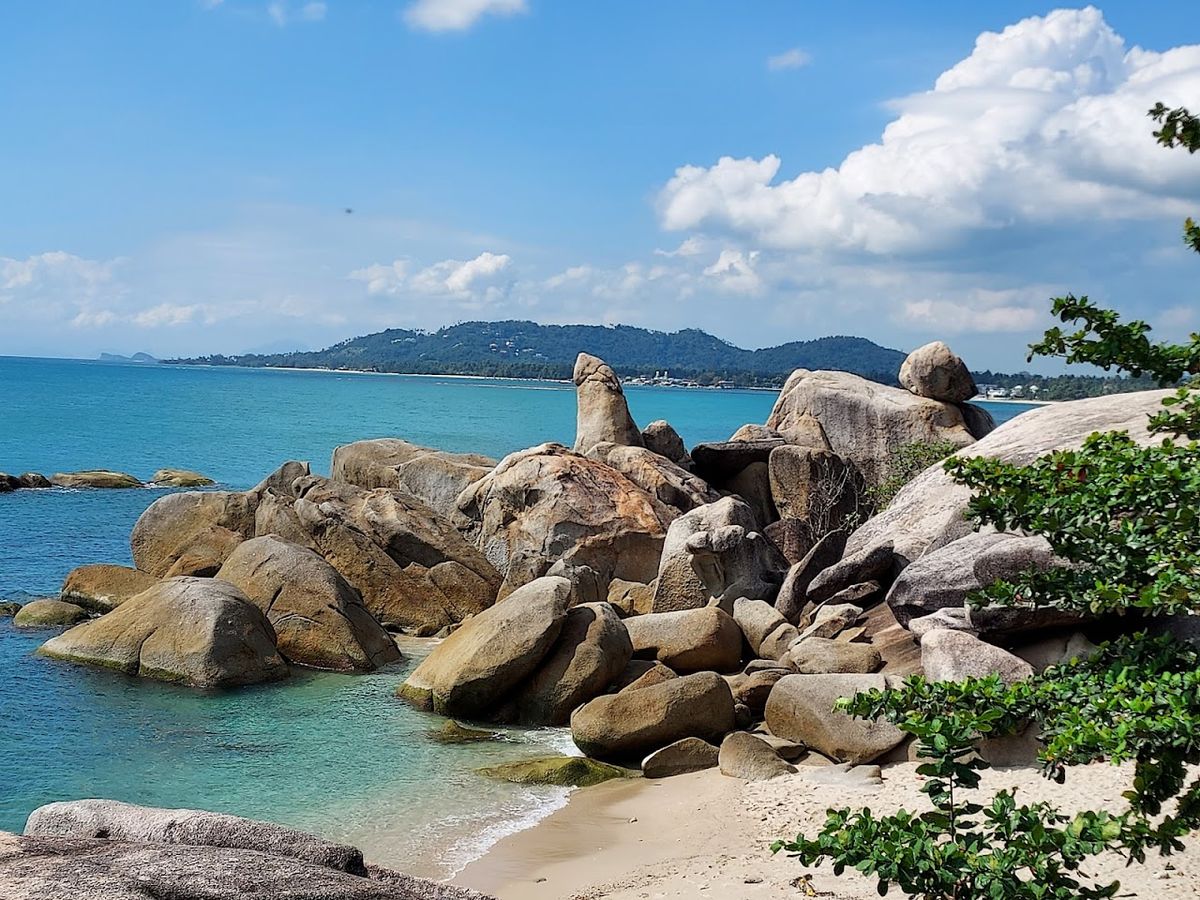
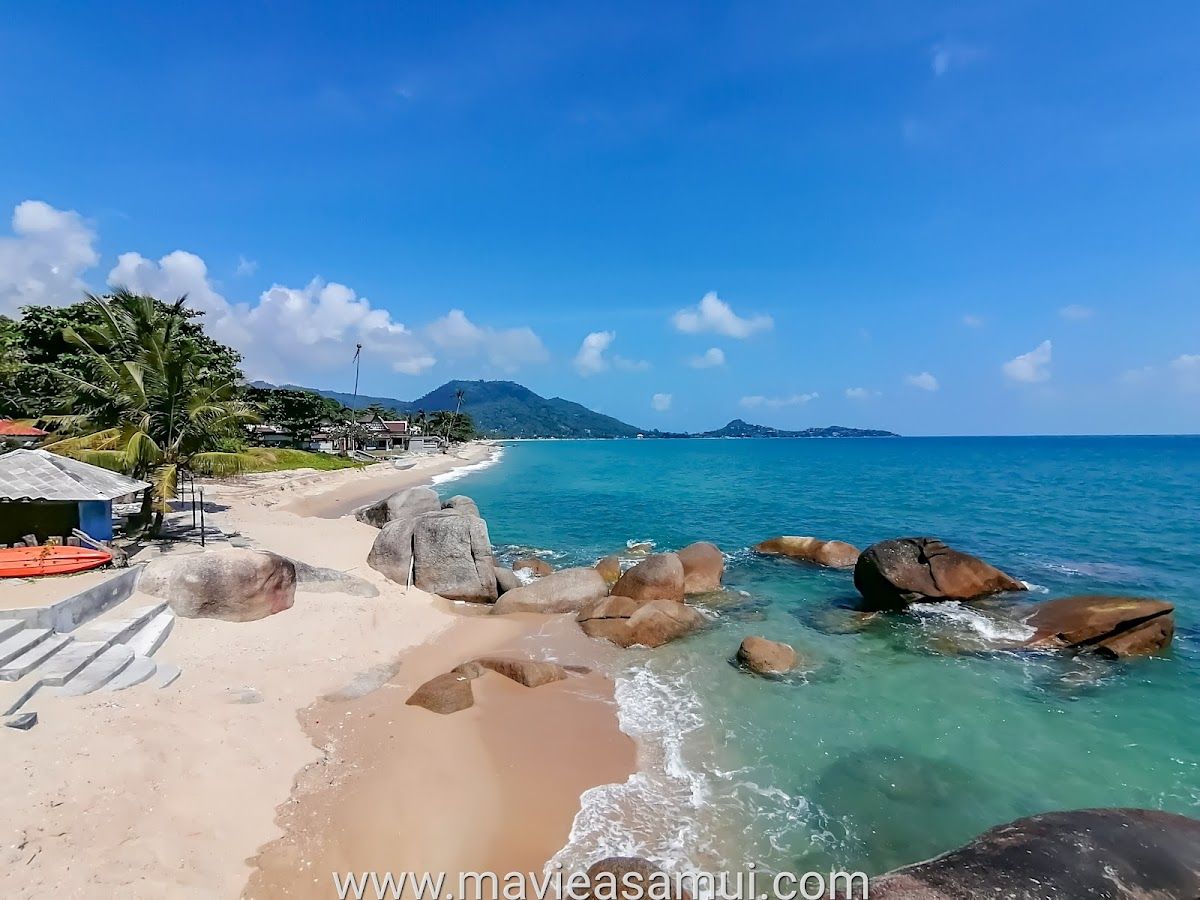
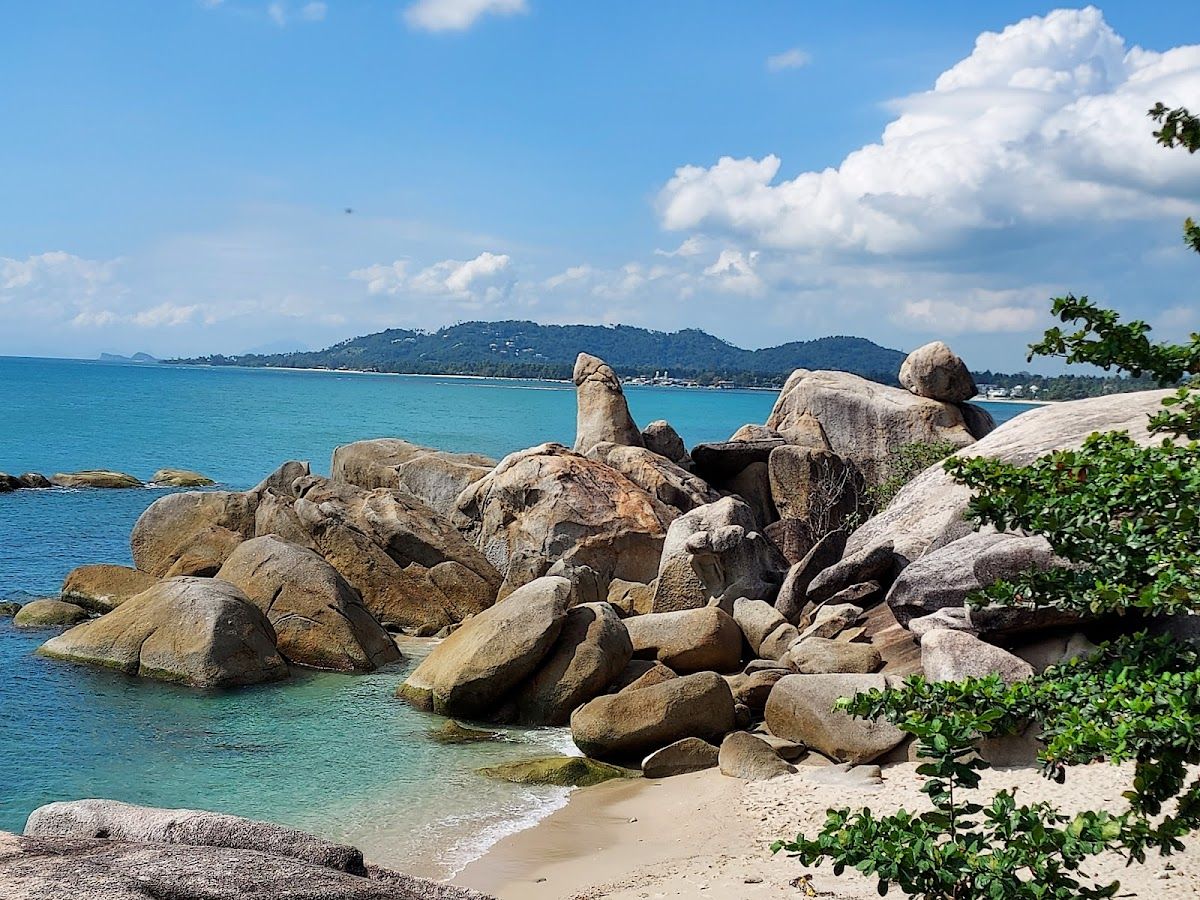
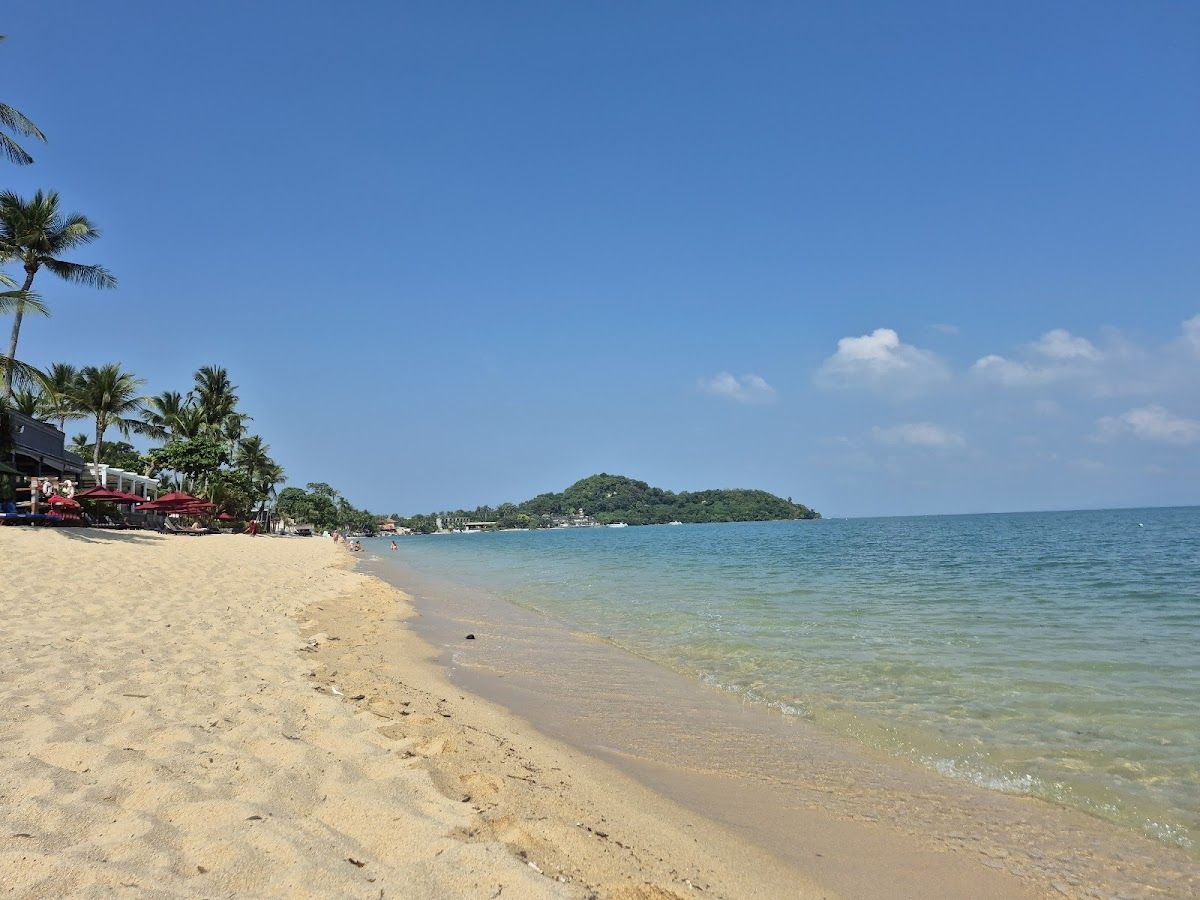
Lamai’s main beach is about 4 kilometres, with the widest, sandiest section in the centre. Swim conditions are similar to Chaweng in the same seasonal window. The southern end is worth seeing but not swimming: the beach narrows, granite boulders appear in the water, and that’s where Hin Ta and Hin Yai (the grandmother and grandfather rocks) sit. The rock formations are a local landmark — photogenic, strange-looking, mildly rude in the way that’s been drawing Thai visitors for decades. Worth 20 minutes; not worth building a day around.
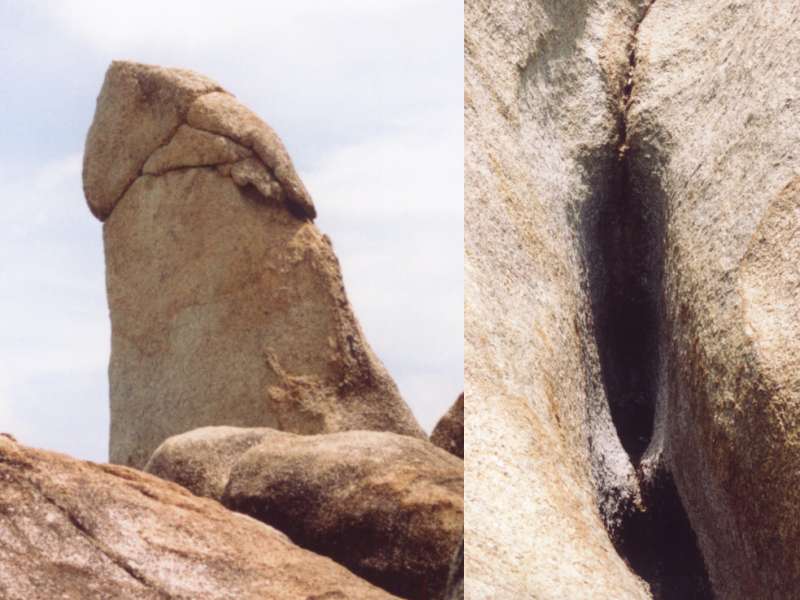
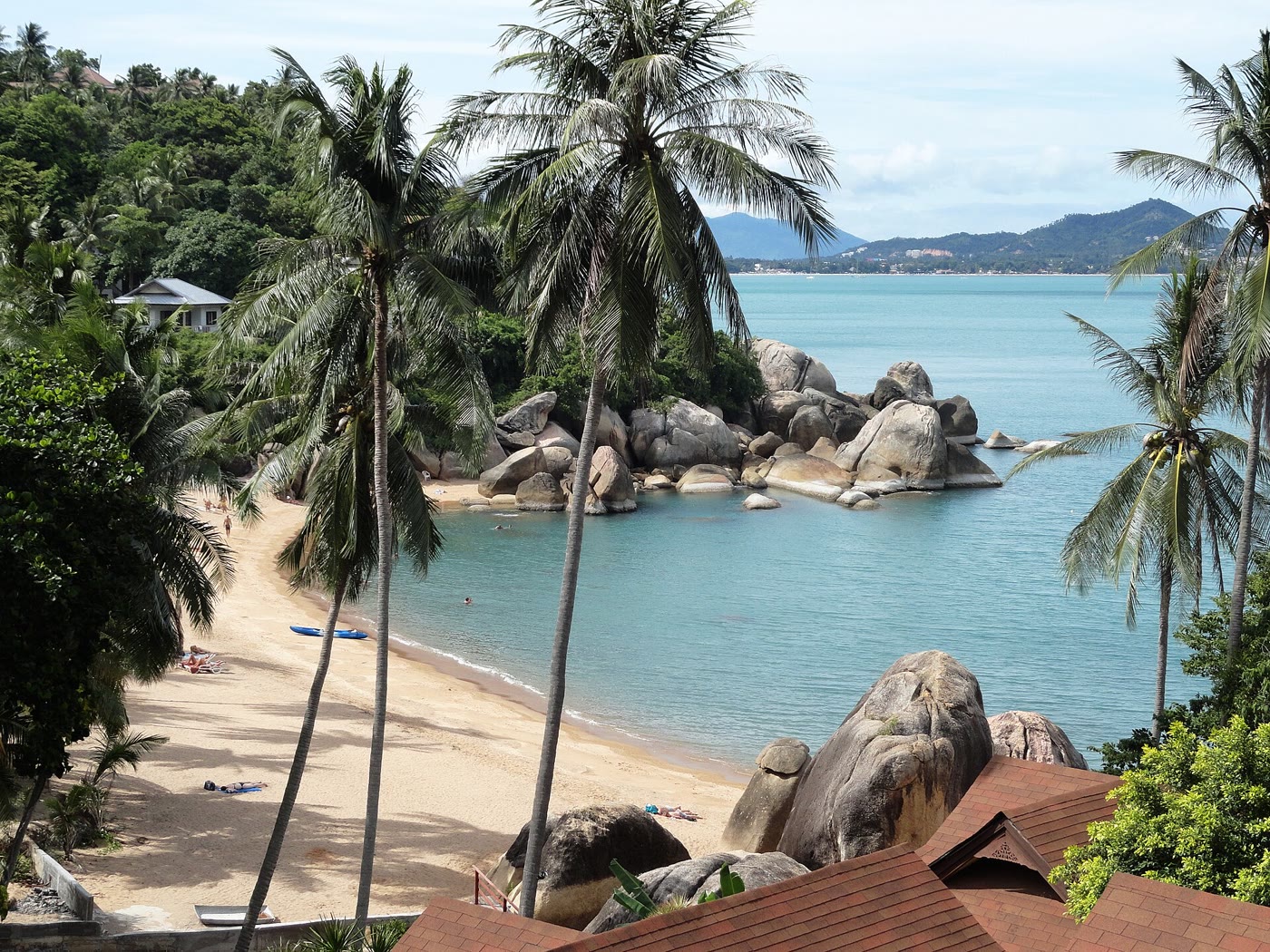
Between the two towns, Coral Cove is a small rocky bay. It looks calm in photos and is often a poor swim, so treat it as a lookout on the drive, not a beach day.
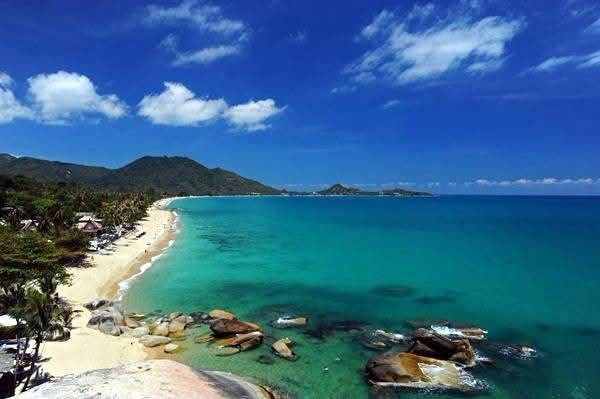
Crowd levels at Lamai are noticeably lower than Chaweng across all seasons. You’ll still find sun lounger vendors in peak times, but the density is different. If the appeal of a beach is having space on it, Lamai wins.
For the full island beach rundown, including Silver Beach (the best snorkelling spot near Chaweng) and the west coast options, see the best beaches guide.
Nightlife
Nightlife is the real split between Chaweng and Lamai.
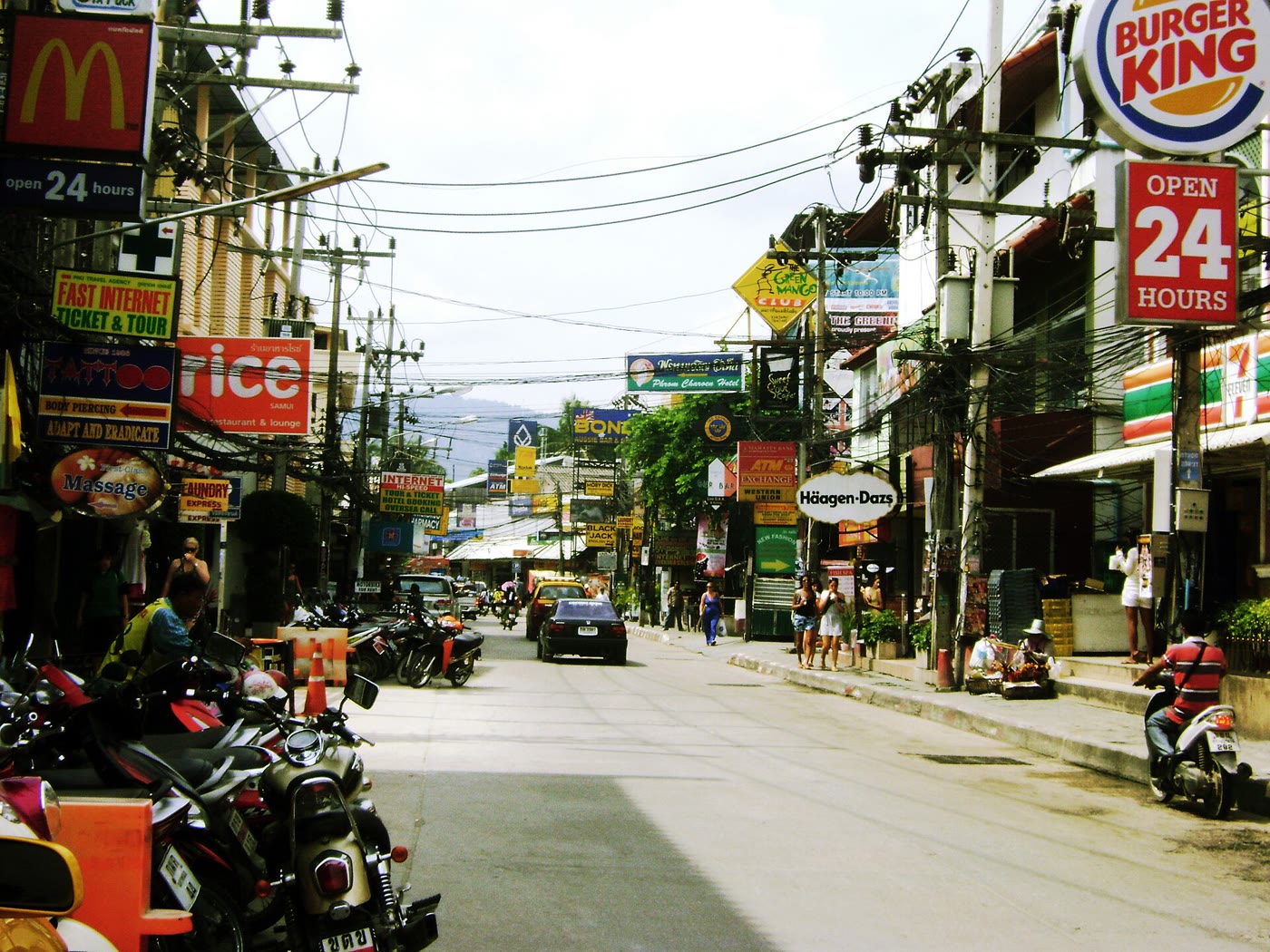
Chaweng’s main strip — the section of Beach Road from the central access points south towards Ark Bar — is one of the most concentrated bar districts in the Gulf of Thailand. Ark Bar runs nightly fire shows (typically from 9pm) and keeps a pool-party atmosphere through the afternoon. Green Mango, a few streets back on Soi Green Mango, is the area’s biggest club: open-air, loud, fills up after 11pm, drinks from around 200 THB. A dozen smaller bars, live music venues and beach clubs run alongside them. Most of it often goes until 2am or later on busy nights. The nearest hotels hear it — don’t book central Chaweng expecting quiet.
Lamai’s bar scene is smaller and significantly quieter. There’s a concentration of bars in the town behind the central beach, some with live music (reggae and classic rock feature heavily), and a few beach bars. The crowd trends slightly older and the pace drops off earlier. If you want a few drinks and a meal without shouting over a DJ, Lamai is the easier setting for that.
Neither place has the full-moon-party energy of Koh Phangan — for that, you’d need a boat. But the difference in intensity between Chaweng and Lamai on a Saturday night is substantial. If you’ve done Chaweng before and found it too much, Lamai is the obvious alternative.
Food and restaurants
Chaweng has more options, from beach cafés doing Thai standards for 120–180 THB through to proper restaurants with wine lists. The tourist-strip pricing is real — pad thai on the main strip regularly costs more than the equivalent a few streets back or in the markets. The central Chaweng night market (near the intersection with Soi Reggae Pub) runs nightly and is one of the better places to eat cheaply in the area: grilled seafood, noodles and rice dishes for 80–150 THB.
Lamai has fewer restaurants but a better ratio of quality to price. The Wednesday and Sunday night market at Lamai is more local-feeling than anything on Chaweng’s strip, though still tourist-facing in places. Prices reflect that local skew: fresh seafood at 150–250 THB, papaya salad, grilled pork neck. Good value.
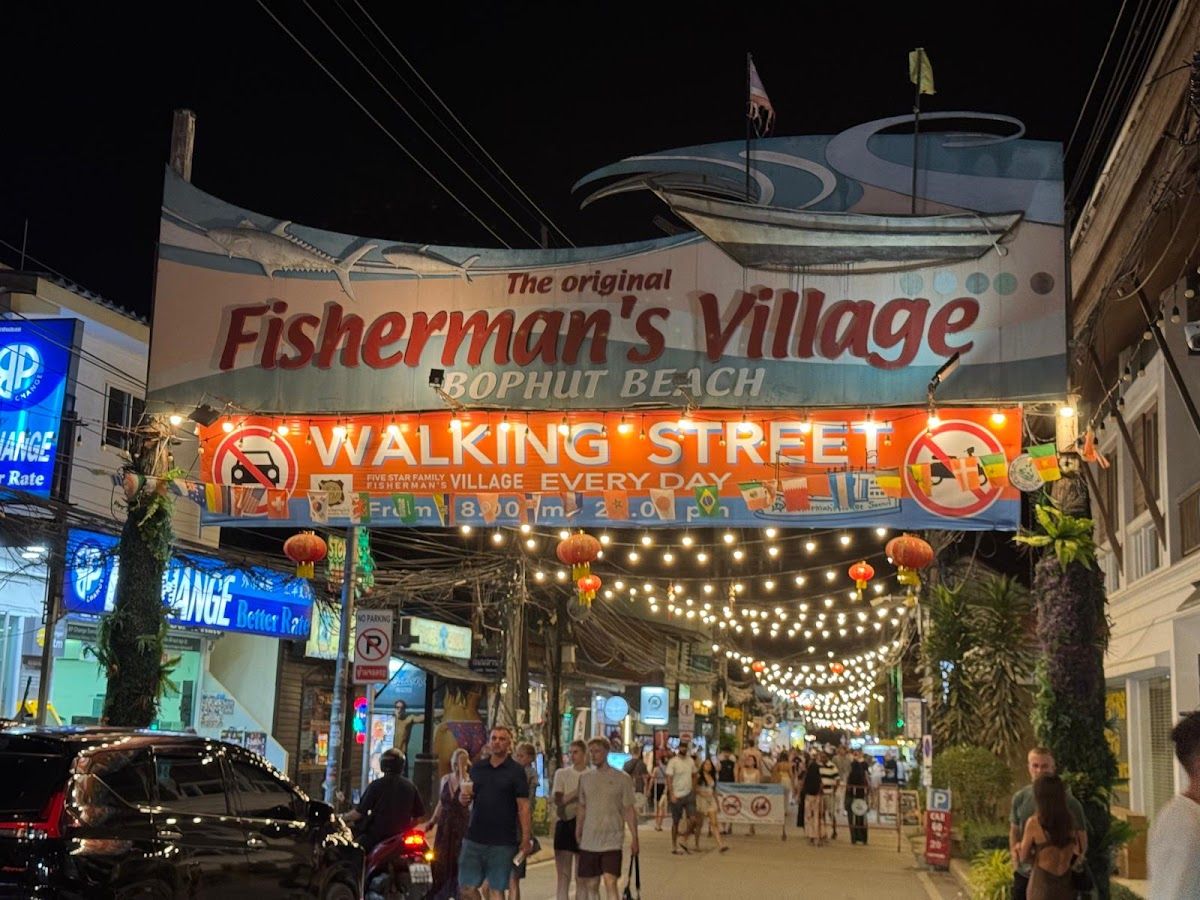
Both areas have supermarkets (Lotus’s and 7-Elevens appear frequently in Chaweng; Lamai has smaller options). For the island’s food scene more broadly — including the Fisherman’s Village market in Bophut — see the Koh Samui food guide.
Prices: what the difference actually looks like
Lamai is generally cheaper than Chaweng for equivalent accommodation, and slightly cheaper for food once you’re eating in local spots.
Hotels in Chaweng (approximate nightly rates, 2026):
- Budget guesthouse (fan room or basic AC): 900–1,600 THB
- Mid-range hotel with pool: 2,500–5,500 THB
- Beachfront resort: 5,000–15,000 THB
- Luxury: 10,000–25,000+ THB
Hotels in Lamai (approximate nightly rates, 2026):
- Budget guesthouse: 600–1,200 THB
- Mid-range hotel with pool: 1,800–4,000 THB
- Beachfront resort: 3,500–9,000 THB
The gap is most pronounced in the mid-range and beachfront categories. For a week’s stay at a mid-range property, the Lamai saving is real money. The budget floor is lower too — 600–700 THB gets you a clean AC room in Lamai; the equivalent in central Chaweng is harder to find near the beach.
Browse options in both areas at /hotels/. Hotels that actually flag a beach or a private beach are listed by stretch in the beachfront hotels guide.
Hotel picks on each beach
These are hotels already in our records, with a checked Agoda id. The price on the link is live. The July 2026 bands above are only the gap between the two areas.
Chaweng. Nora Buri is the north end: beachfront and a private beach on the 12 October 2026 Agoda check, and the short airport ride. Baan Chaweng is the central 3.5-star on the sand, breakfast ฿300 on that same check. Chaweng Regent is the larger central hotel, private beach, and it lists a kids’ club if you are stuck with Chaweng and travelling with children.
Nora Buri · Baan Chaweng · Chaweng Regent
Lamai. Renaissance is the north end of the beach, flagged beachfront at 0 m, with a thinner review count than the Chaweng hotels. The Lamai Samui is the 77-room private-beach resort, 70 m from the pin. Outrigger is the family hotel across the road from Lamai Beach, not a room on the sand. Coral Kids Club there is ages 4 to 12.
Renaissance · The Lamai Samui · Outrigger
For a broader cost breakdown of what to budget per day on the island, the Koh Samui on a budget guide covers transport, food and activity costs.
Families
Neither Chaweng nor Lamai is the island’s strongest family base, but Lamai is the better of the two. The beach is calmer in the evenings, the noise level is lower, and the proximity to Hin Ta Hin Yai gives you a short morning outing that most kids find entertaining.
Chaweng’s central beach is fine for kids during the day — the water is good, there’s plenty of space, and services are close by. The problem is the surrounding area at night: Beach Road from 9pm onwards is not a relaxing environment with young children. You’d need a hotel set well back from the strip, which also means the beach is a walk or a taxi away.
For a base that is actually set up for children, Choeng Mon on the north-east tip has calmer water and quieter roads. Resorts with a published kids club are in the family resorts guide. The wider week is in Koh Samui with kids.
Getting between them
Chaweng and Lamai are about 12 kilometres apart on the ring road, and the drive takes 20–25 minutes. Transport options:
- Grab (ride-hailing app): most reliable pricing, often 200–350 THB between the two areas; check the app before relying on a number
- Taxi (fixed rate): 300–500 THB for a private taxi; agree the price before you get in
- Songthaew (shared pickup truck): 50–100 THB per person if one is running the route; not always easy to find in the evening
- Scooter: the most practical option for moving between areas frequently — rental runs 250–350 THB per day. Wear a helmet, carry your licence or an IDP, and check your travel insurance: many policies exclude scooter accidents. Do not hand over your passport as a deposit; a cash deposit is normal
If you’re staying in one area but want to explore the other, a half-day is enough to see both the beach and the main streets. Going between the two for dinner is easy by Grab. For a full breakdown of island transport options, see getting around Koh Samui.
Who should pick which
Choose Chaweng if:
- You want the full beach-resort experience with everything in walking distance
- Nightlife is part of the plan — Ark Bar, Green Mango and the beach bar strip are hard to replicate elsewhere
- It’s your first visit and you want easy access to island-wide activities and tours
- You’re arriving late or departing early (the airport is about 15 minutes from Chaweng)
Choose Lamai if:
- You want a similar beach experience at a noticeably lower price
- Quiet evenings and slower pace matter more than nightlife options
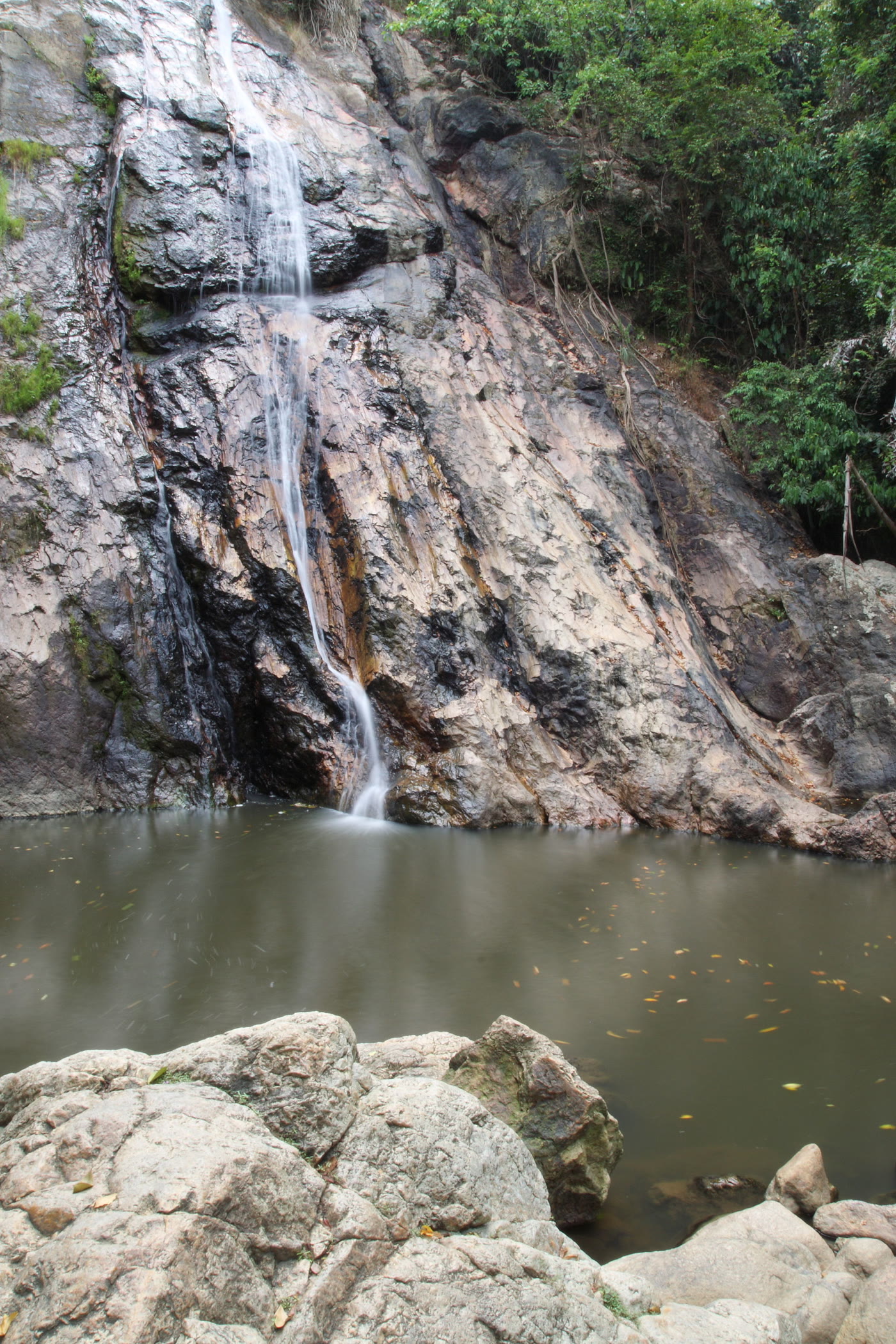
- You’re planning to explore the south of the island — Na Muang Waterfall and the back roads south of Lamai are easily reached from a Lamai base
- You’ve done Chaweng before and found it too loud or too crowded
Consider elsewhere if:
- You’re travelling with young children (Choeng Mon)
- You want the island’s best independent restaurant scene (Bophut)
- You’re on a tight budget and don’t need a named beach area (Maenam)
The where to stay in Koh Samui guide covers all six main areas if you want to see the full picture before deciding.
FAQ
Should I stay in Chaweng or Lamai? Chaweng if the night is part of the trip and you want everything on foot. Lamai if you want the beach, an earlier evening and a lower price. In 2026 that split has not changed. With small children, Choeng Mon is the better beach than either.
Is Chaweng or Lamai better for nightlife? Chaweng by a wide margin. It has the island’s main bar strip, Ark Bar, Green Mango and multiple beach clubs. Lamai has a smaller, quieter bar scene.
Is Lamai cheaper than Chaweng? Yes, consistently. Budget accommodation in Lamai starts around 600–700 THB per night; mid-range options run 1,800–4,000 THB. Equivalent rooms in Chaweng usually cost more.
How far apart are Chaweng and Lamai? About 12 kilometres by road — a 20 to 25 minute drive. A Grab between the two typically costs 180–280 THB.
Which has the better beach? They’re comparable. Chaweng is longer (7km vs 4km) with more consistent sand. Lamai is quieter and has the Hin Ta Hin Yai rock formations at its southern end. Both have good swimming conditions from November to April.
Is Lamai good for families? Better than Chaweng, but Choeng Mon is the island’s best family base. Lamai is quieter and has more relaxed surroundings; Chaweng’s beach road is loud at night. See Koh Samui with kids for the full picture.
Can I stay in one and visit the other? Easily. A 20–25 minute drive, or 180–280 THB by Grab. Many visitors stay in Lamai and go to Chaweng for a night out, or base in Chaweng and take a morning trip south to Lamai and Hin Ta Hin Yai.