
Most travellers pick Koh Samui based on Phuket’s calendar and end up arriving during the worst month of the year. They’re not the same coast — Koh Samui sits on the opposite side of Thailand and is governed by a completely different monsoon.
The short version
- Best months: February–April. Dry, warm, calm seas. February has the least rain; April is the hottest.
- Good shoulder: December (from mid-month), January, May, June, July, August
- Avoid: October and November. The northeast monsoon dumps heavy, sustained rain — November is the wettest month of the year.
- Ang Thong Marine Park typically closes around 1 November to mid-December; if the tour is on your list, plan around this hard date.
- The key fact: when Phuket and the Andaman coast are wet (roughly May–October), Koh Samui is usually dry. The reverse is also true.
Why Koh Samui’s Seasons Are Different
Thailand’s two coastlines face opposite monsoons, and the Malay Peninsula separates them.
The Andaman coast — Phuket, Krabi, Koh Lanta — is hit by the southwest monsoon from roughly May to October. Phuket averages over 400mm of rain in August alone.
The Gulf of Thailand coast — Koh Samui, Koh Phangan, Koh Tao — sits on the east side of the peninsula, sheltered from the southwest monsoon. Instead, it faces the northeast monsoon, which builds from September and peaks in October and November.
The practical result: June, July, and August — months many people instinctively avoid in Thailand based on Phuket’s reputation — are actually decent on Koh Samui. Not peak dry season, but nothing like the Andaman coast in August. Meanwhile, when Phuket is heating up and drying out in December, Koh Samui can still be cleaning up from the tail end of its own wet season.

Month-by-Month Breakdown
January A good month. The northeast monsoon is winding down, rain is well below average, and seas are calming after November and December. Some lingering cloud cover in early January, but most days are clear by the second week. Average temperature around 26°C. Popular with European winter escapees — book accommodation ahead.
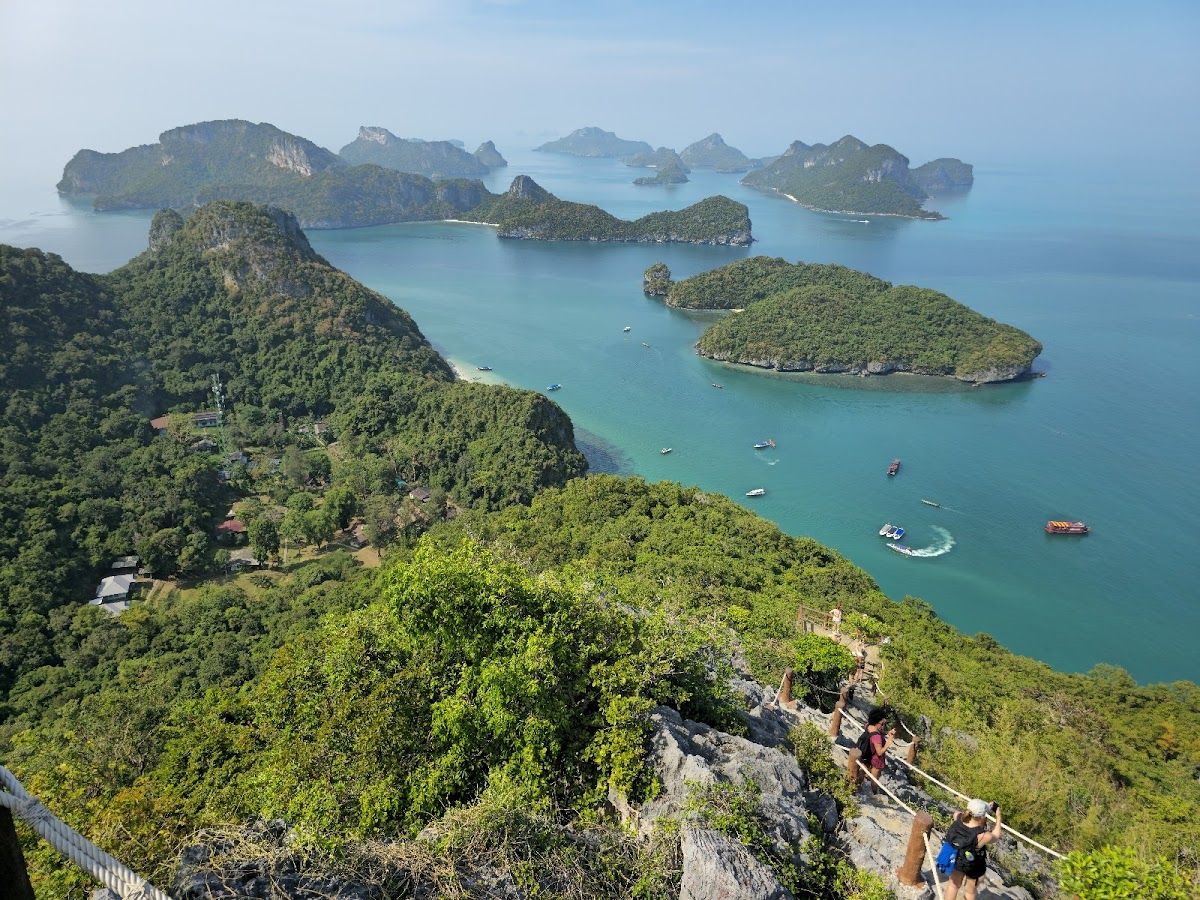
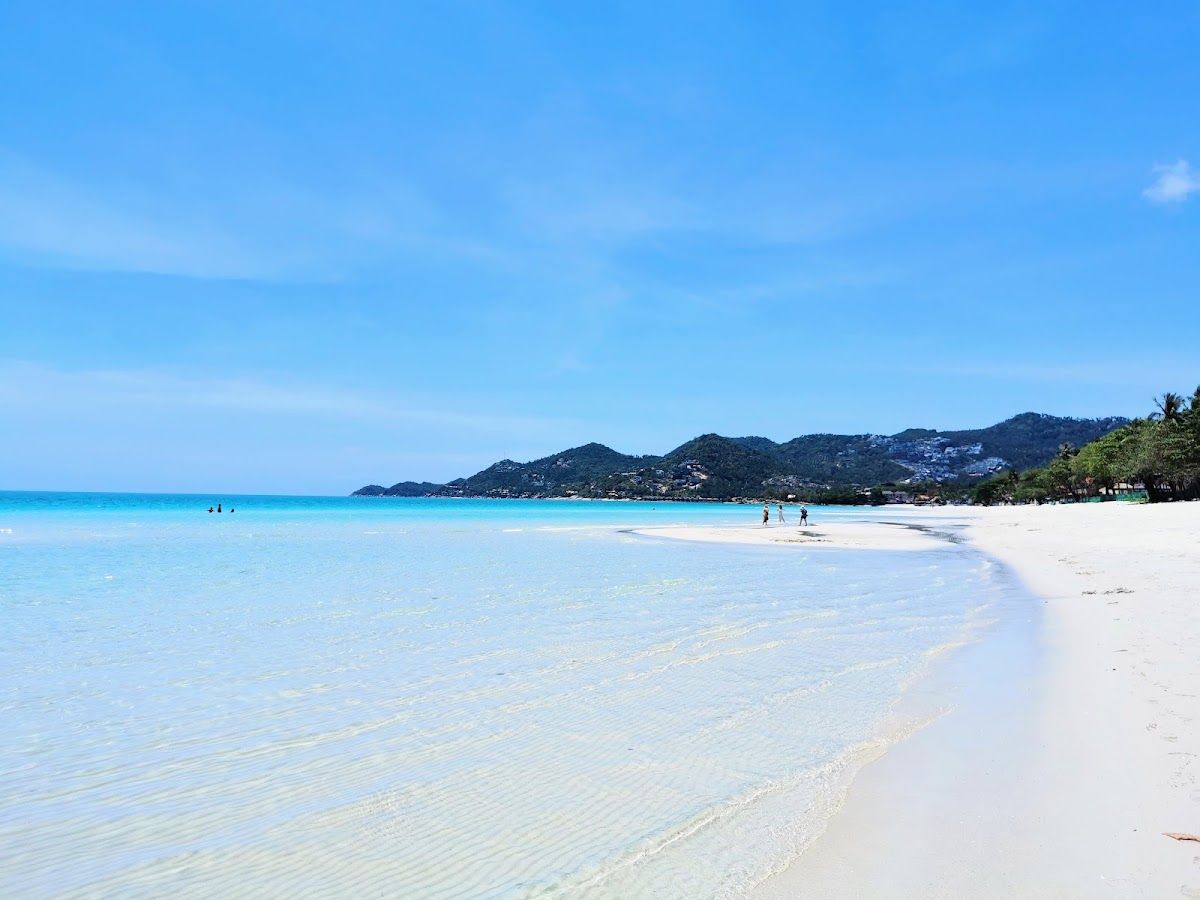
February The driest month of the year on Koh Samui. Consistently clear skies, calm seas, good visibility for diving and snorkelling. Near-perfect conditions for Ang Thong Marine Park day tours. Average 26°C with low humidity and a light breeze off the Gulf. If you want the most reliable weather and don’t mind paying peak-adjacent prices, February is the answer.

March Still firmly in the dry season. Temperatures start climbing (28–29°C), humidity increases slightly, but it remains a very good month with minimal rain. Less crowded than January and February, and often better value. The 4-day itinerary works perfectly in March.
April The hottest month — consistently over 30°C, occasionally hitting 35°C. Still dry and seas are calm, but the midday heat is real. Plan beach time for early morning and late afternoon; the middle of the day needs shade or air-conditioning. Songkran (Thai New Year water festival) falls mid-April — festive and fun, especially in Chaweng, but tourist prices spike.
May The southwest monsoon arrives on the Andaman coast, but Koh Samui stays mostly dry. Temperatures ease slightly. Some afternoon thunderstorms are possible but usually short-lived and localised. Good value month — rates drop and the island thins out.
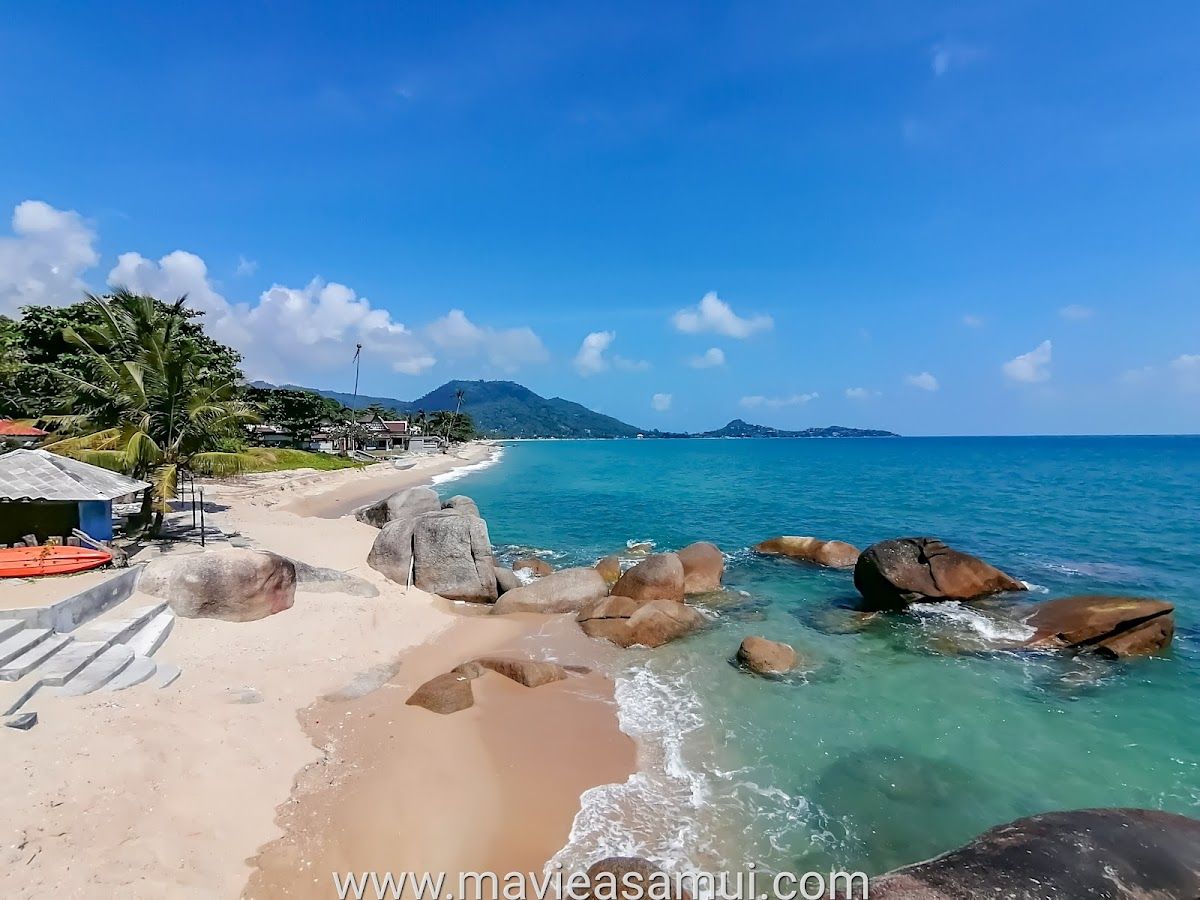
June Afternoon showers become more frequent, but mornings are typically clear and the sea stays calm enough for tours and island hopping. This is when the price gap versus Phuket becomes obvious — you can be on a clear beach on Koh Samui while Phuket is overcast and wet.
July Brief rain squalls are common but rarely persist all day. Still warm, seas mostly manageable, hotels at competitive rates. Ang Thong Marine Park tours run regularly. A solid month if peak-season prices are out of range.
August Much like July. Scattered rain, not prolonged downpours. The southwest monsoon is at its worst in Phuket; Koh Samui gets intermittent afternoon rain but nothing comparable to the Andaman side. Fine for most beach activities and day tours. Ang Thong Marine Park tours run regularly in August; sea conditions are generally manageable.
September The northeast monsoon begins building. Rain increases noticeably compared to July and August — heavier and more sustained. Sea conditions start deteriorating in the second half of the month. Ang Thong tours become less reliable toward October. Still possible to visit in September with reasonable weather; the back half is riskier. Late-September visitors should have a flexible itinerary and keep an eye on conditions day by day rather than booking every tour in advance.
October The worst month is close. October brings 18–22 rain days and heavy downpours that can last several hours. Low-lying roads flood after prolonged rain. Most serious tour operators suspend Ang Thong trips. Not a good month to visit if you want beach and sea activities.
November The wettest month of the year. The northeast monsoon is at full strength, and November regularly delivers over 400mm of rain. Some years see tropical storm activity close to the island. Ang Thong Marine Park is officially closed from 1 November (reopening around mid-December, conditions permitting). Hotels discount heavily; the island is very quiet. If cost is your primary driver and you don’t mind rain and rough seas, it’s possible — but set expectations low.
December A tale of two halves. Early December carries the tail of November’s weather — still wet and choppy. From roughly mid-December the northeast monsoon retreats quickly and conditions improve fast. By Christmas, Koh Samui is typically clear, warm, and busy again. Late December is peak season — book accommodation and Ang Thong tours well ahead. Prices in the final week of December rival January and February for the highest rates of the year.
Ang Thong Marine Park: When It Closes
The park closes when sea conditions become unsafe for small boats. The standard closure window is approximately 1 November to 15 December, though this shifts year to year. In rough years it reopens later; in mild years some operators run trips in late November if conditions allow.
If Ang Thong is the main reason you’re going, visit between February and September at the latest. Always confirm current open/closed status directly with your tour operator. Full detail on the park and what to expect in the Ang Thong Marine Park guide.
Festivals Worth Timing Around
Songkran (mid-April): Thai New Year water festival. The whole country participates. Expect to get soaked wherever you are, enthusiastically and repeatedly. It’s fun if you’re in the right mood for it.
Loy Krathong (November, full moon): Candles set afloat in small banana-leaf boats on rivers and the sea, with lanterns released overhead. The atmosphere is genuinely beautiful, even if November’s weather isn’t.
Full Moon Party (monthly, Koh Phangan): Koh Phangan’s famous beach party runs on the full moon every month, a 30–40 minute ferry from Koh Samui. The Koh Phangan day trip guide covers getting there and back.
Booking Around the Calendar
The getting-to Koh Samui guide covers flight timing and costs by season — direct flights cost more in peak months. For accommodation, the where-to-stay guide covers which areas and property types book out first in high season; compare options at /hotels/.
FAQ
When is the best month to visit Koh Samui?
February is the driest. March and April stay dry, and April is the hottest, often over 30°C.
Which months are worth avoiding?
October and November. November is the wettest month, and Ang Thong Marine Park closes from about 1 November to mid-December.
Is summer a bad time because Phuket is wet?
Samui faces the other monsoon. June, July, and August are usually usable here while the Andaman coast is wet.